
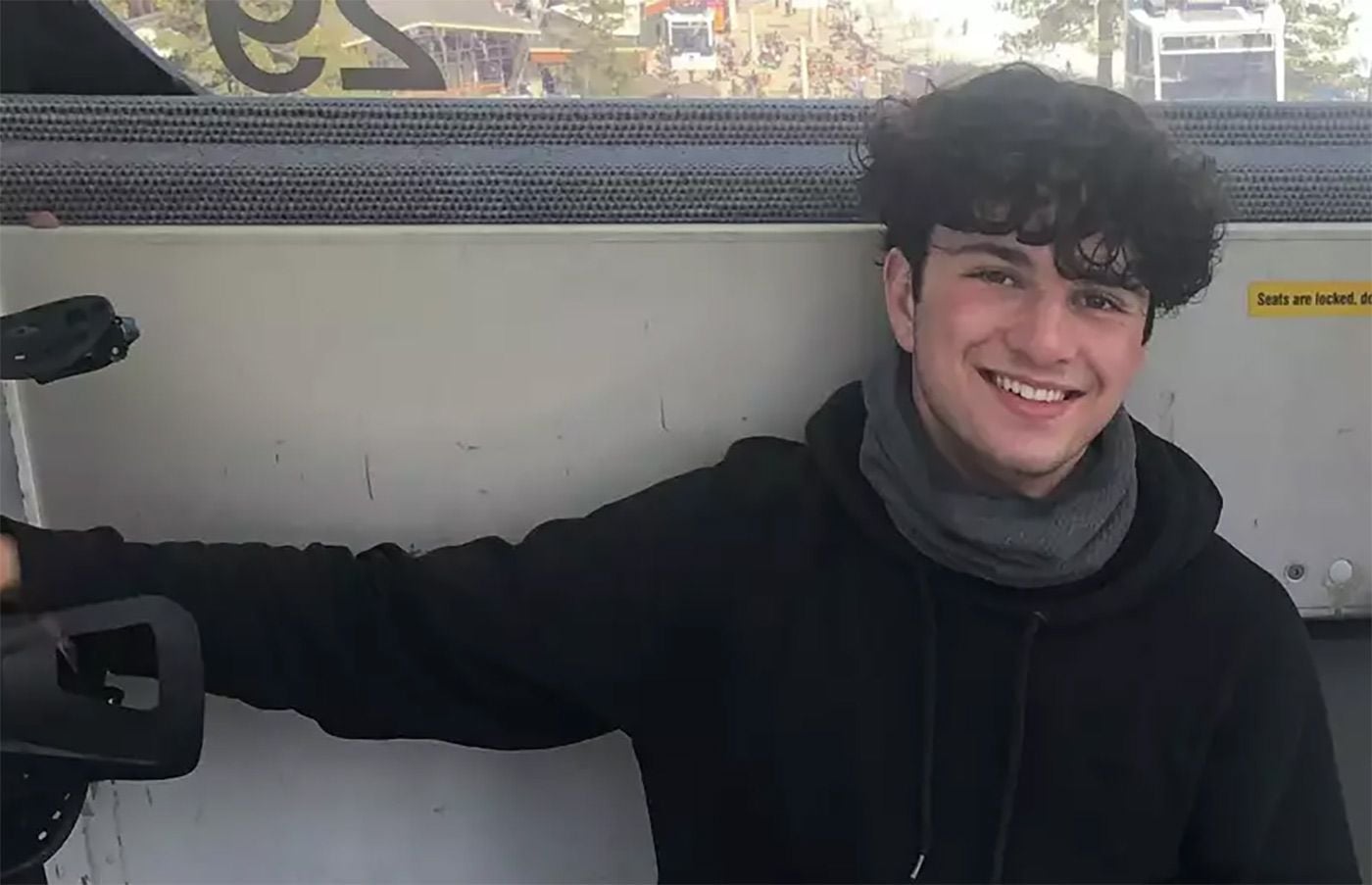
More details have emerged in the mysterious killing of a San Francisco teenager three years ago, as a judge is about to decide if the accused killer should be tried as an adult.
On one side, you have the parents of a neurodivergent teenager who grew up in San Francisco who say that their son, always yearning to find friends, followed a classmate to a remote, abandoned warehouse in Hunters Point that was well known to graffiti taggers on the promise of a party, and ended up brutally bludgeoned to death — with the killer tagging the wall near where the body lay, adding a spray-painted arrow pointing to it.
On the other side, you have the parents of the accused killer, who say that their son was in recovery for drug addiction and, perhaps because of an underdeveloped brain due his adolescent drug use — and his age, 17 years and five months at the time of the crime — sought revenge or vigilante justice against a peer who, possibly according to a girl he was dating, had tried to assault her, or whom he talked about sexually assaulting.
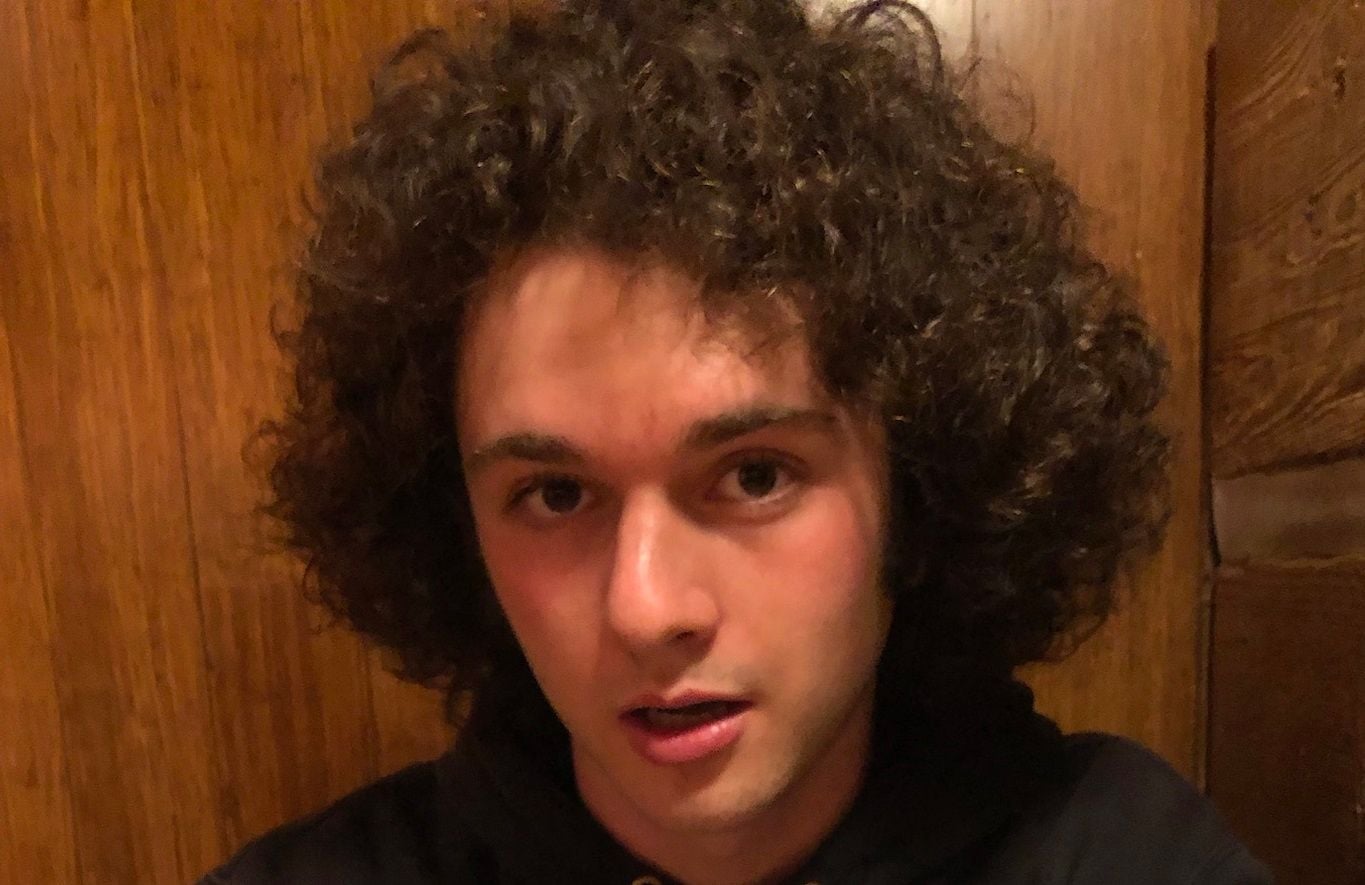
Max Maltzman was 18 years old and newly living on his own in a Tenderloin apartment when he went missing in January 2023. A student at Raoul Wallenberg High School, Maltzman was last seen at his apartment building on January 6, 2023, and his body would then turn up three weeks later, submerged in water and under a steel plate in the basement of that Hunters Point warehouse.
It was unclear at the time why a high school senior, who had parents in San Francisco, would be living on his own in the Tenderloin. But we now learn via the Chronicle's coverage of the murder proceedings that Maltzman was neurodivergent and had a tendency to act out in destructive ways at home, and after turning 18 he had chosen to get an apartment on his own.
It would be almost two years before an arrest would be made in the case, and the reasons for the slowness of the investigation aren't entirely clear. SFPD detectives found that Maltzman had met up with a classmate from school in the Upper Haight on the day that he died. We'll refer to this classmate, who is now 21 and who isn't being publicly named because he is still the subject of juvenile court proceedings, as Ebok — after his chosen tag, which can still be seen around the city, EBOK.
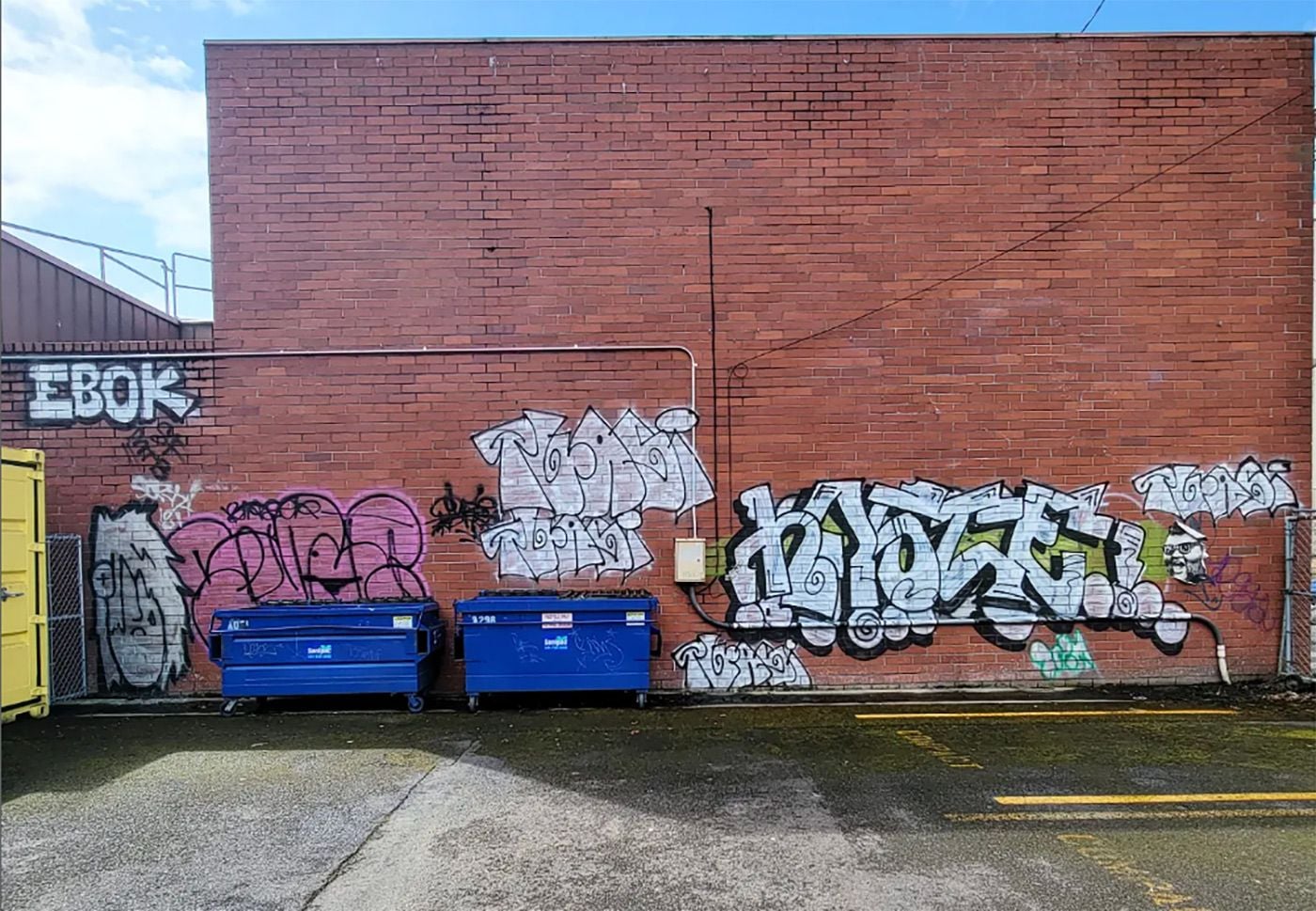
Ebok allegedly invited Max to this warehouse party, only to lure him there and, with the help of a second suspect who has never been publicly identified, kill him by blunt-force trauma to the head, and dispose of the body in a flooded access shaft. According to blood spatter evidence, police believe there was little struggle, and that Max was struck twice and bled profusely in one location, before the body was moved.
Max called 911 as the attack was occurring, and the Chronicle describes a recording of that call in which he can be heard yelling "Help!" The 911 dispatcher heard some screams, and thudding sounds, before the line went dead. And when she tried to call the number back, no one picked up.
Ebok was then seen on surveillance video with the second individual walking back to the Muni bus stop, the second-to-last stop on the 19-Polk, at Innes Avenue and Donahue Street, where he had arrived a short time earlier with Max. He was apparently carrying Max's backback, along with his wallet and a t-shirt he had purchased in the Haight. An AirTag from his keychain was later found in a nearby storm drain.
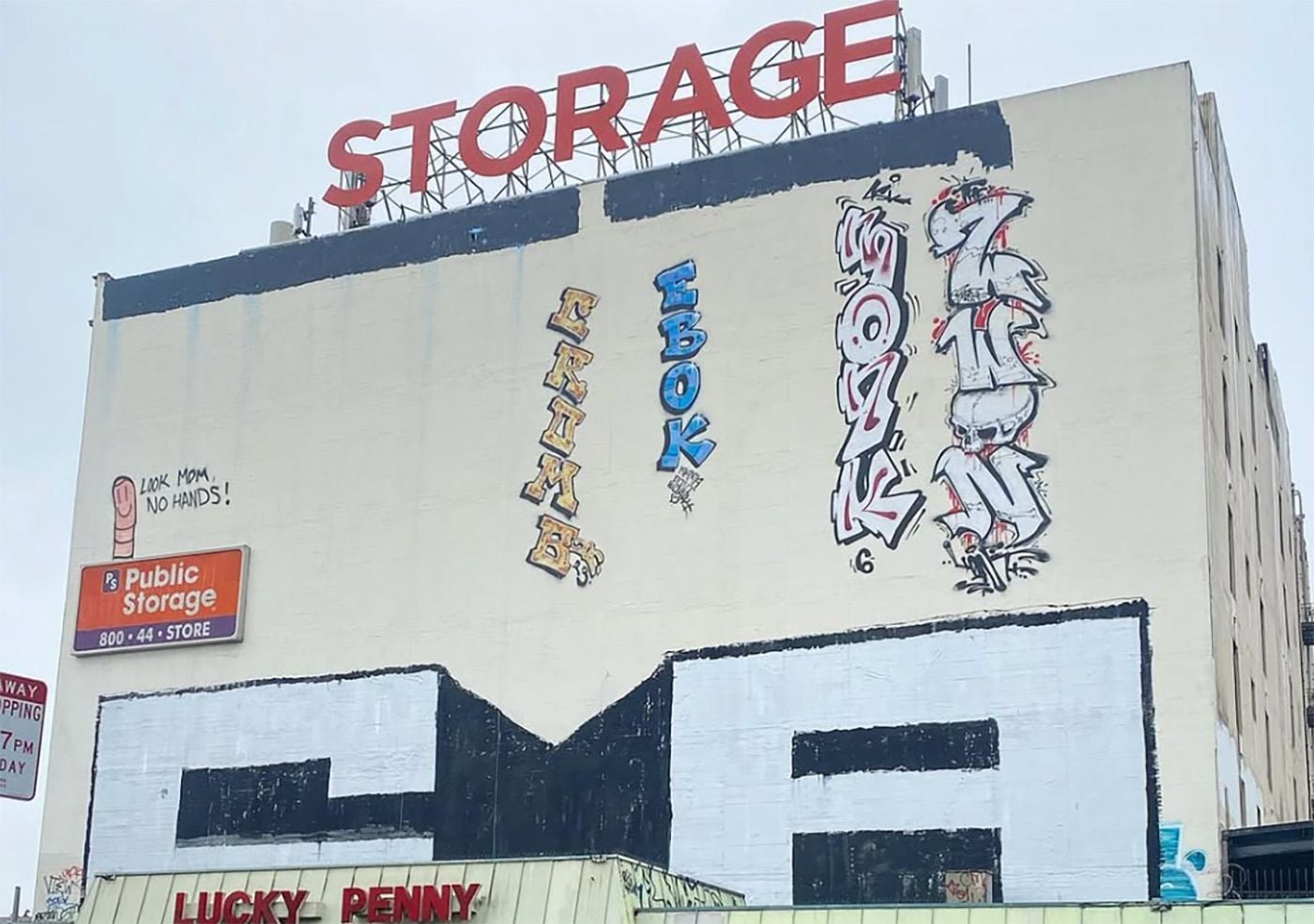
Ebok, who, according to his parents, became addicted to fentanyl as a sophomore at a private high school in Pacific Heights, had become sober before enrolling at Wallenberg in the fall of 2022. In his sobriety, as the Chronicle reports via his parents' account, he had become obsessed with tagging culture, buying himself climbing and rigging gear in order to reach otherwise inaccessible walls and surfaces for his tags — even, at one point, tagging the name of a girlfriend, the same one who allegedly made an accusation against Max that has yet to be substantiated, on a freeway overpass bridge somewhere in SF.
The Chronicle's account of the sexual assault allegation evidence is fuzzy — mentioning both that Max allegedly "talked about" assaulting girls, and that there was this one accusation involving Ebok's girlfriend. No evidence has emerged of any assaults on girls by Max, nor has there been any corroboration about his discussing such things with others. And Max's parents vehemently deny that their son could be capable of such a thing, saying this is a fabricated justification on the part of the killer.
It appears that the defense in Ebok's case is not trying to contest the fact that he killed Max. Multiple teens who knew the boys came forward and told police they had heard Ebok admitting to the killing, and one ex-girlfriend said he even seemed to brag about it — saying something about getting rid of another "bad person" in the world, per the Chronicle.
The prosecution is trying to paint a picture of a cold, calculated, premeditated, perhaps psychopathic act — complete with a photo that Ebok apparently sent to a friend about six hours after the killing, showing his own bloodied knuckles.
Ebok's defense attorney, Adam Gasner, meanwhile, argues that this was hardly a sophisticated crime, and he called on a forensic psychologist who testified that Ebok was seeking "short-term rewards" in killing Max, out of a "warped sense of justice."
District Attorney Brooke Jenkins is reportedly pushing to have Ebok tried as an adult, which would mark the first such case in San Francisco in ten years. The DA's office, and Max Maltzman's parents, say that they do not believe Ebok has shown any remorse or that he can be rehabilitated in the short timeline that the juvenile justice system would allow.
Judge Anne Costin will decide next week whether the case will be moved to adult court.
Previously: After Arrest of Teen Suspect, Details Emerge About Two-Year-Old Murder of 18-Year-Old In SF Warehouse

Join the conversation
Comments
Comments load automatically as this section approaches.