The ‘Fire Horse,’ which arrives every 60 years, is long associated with upheaval and transformation, appearing at pivotal moments in modern San Francisco history as far back as the Gold Rush era and revealing recurring social patterns across generations.
Based on the lunar calendar and dating back more than 3,500 years to the Xia dynasty (circa 2070–1600 BC), the Chinese zodiac was used by rulers to track time and plan significant events, according to expert Vicki Iskandar, who spoke to the History Channel. While most people know the zodiac’s 12 animals, the underlying system is older and more complex.
It operates on a 60-year sexagenary cycle that pairs the 12 Earthly Branches with the 10 Heavenly Stems. The Branches mark the hours, months, years, seasons, and natural rhythms, while the Stems reflect the yin and yang forms of the five elements — wood, fire, earth, metal, and water, forces seen as expressions of shifting cosmic energy, according to the site Imperial Harvest.
The 12 animals were added during the Han dynasty (206 BC–AD 220) to represent the years and make the zodiac system easier for the public to use. Each year is assigned an animal paired with an element in its yin or yang form, as each element stays on the calendar for two years. While most years are simply known by their animal name, certain combinations — like the Fire Horse — carry a strong reputation.
See the Ted-Ed video below for a whimsically illustrated explainer on how the animals were chosen for the calendar via the “Heavenly Gate Race.”
The 60-year cycle shows how history ebbs and flows, with familiar tensions resurfacing during each generation. The years preceding a Fire Horse (Water and Wood years) typically see a buildup of social tension and unrest. The Fire Horse year brings upheaval to the surface, while the following years (Earth and Metal) often usher in reconstruction and institutional reform.
1846
The first significant Fire Horse year in modern-day San Francisco dates back to 1846, during the Mexican-American War, just a couple years before the first Chinese immigrants arrived during the Gold Rush. In July 1846, when the region was a small Mexican colony known as Yerba Buena consisting of a few hundred people, US soldiers came ashore and raised the American flag at what’s now known as Portsmouth Plaza in Chinatown, marking US occupation of the area. In January 1847, Yerba Buena was renamed San Francisco, and California became a state in September 1850.
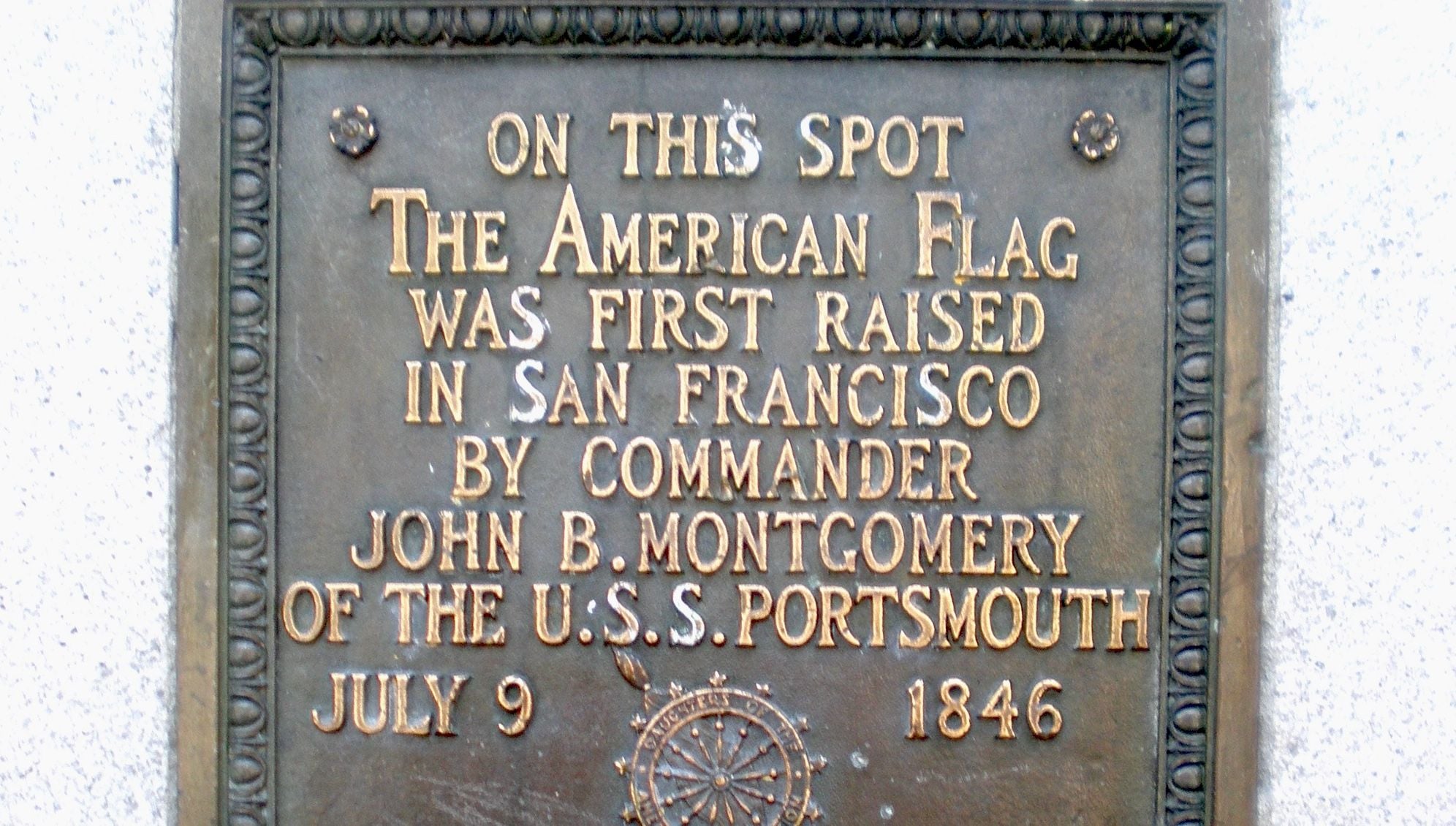
Before 1846, Spanish-speaking landholders under Mexican rule, called Californios, dominated politics and land ownership, including a few women, such as Juana Briones, who was often referred to as the “Founding Mother of San Francisco.” Large ranchos concentrated wealth among Californio families, while many Native Californians were left landless and forced into wage labor. Political authority was precarious, and foreign traders were expanding in Yerba Buena. After the US takeover, new laws stripped many Californios of their land.
During the Gold Rush (1848–early 1850s), San Francisco’s frontier boom transformed the city’s population from around 1,000 full-time residents in 1848 to 25,000 by 1850, creating extreme gender imbalances that pushed men into domestic roles, drag performances, and same-sex social bonds.
Amid this fluid social scene, Indigenous, Latino, Black, and Chinese migrants built communities even as legal exclusions like the 1850 Foreign Miners’ Tax targeted minority laborers. Indigenous residents faced dispossession, disease, and targeted killings, while other migrants risked violence over mining claims.
The scarcity of women and the high demand for sexual services fueled sex work, including coerced labor, especially among migrants and Indigenous women, while others ran boardinghouses, laundries, and food businesses.
Notable female entrepreneurs included Ah Toy, the first and best-known Chinese American sex worker and madame in SF, and Black abolitionist Mary Ellen Pleasant, who built a network of laundries and boardinghouses, helped fellow Black migrants secure jobs and housing, and used her wealth to advance civil rights causes in the city.
San Francisco grew rapidly following the Gold Rush. The 1850s saw the city grappling with lawlessness, marked by the Vigilance Committees, while the 1860s brought expansion and connection through the transcontinental railroad. Tensions rose in the 1870s and 1880s, with anti-Chinese riots and labor strikes reflecting social and economic unrest. The 1890s were shaped by the fallout from the Panic of 1893, which brought widespread unemployment and hardship, followed by a slow recovery that laid the groundwork for the city’s turn-of-the-century growth.
1906
In April 1906, a 7.9 magnitude earthquake and subsequent fires killed more than 3,000 people and left roughly 250,000 homeless. Relief favored property owners, pushing working-class, poor, and minority residents — especially Chinese — to refugee camps. Indigenous people and migrants continued to face dispossession and violence, while displaced Black residents moved to East Bay neighborhoods. Women and working-class residents, including activist Mary Kelly, led direct actions to secure food, clothing, and housing, shaping early urban advocacy.
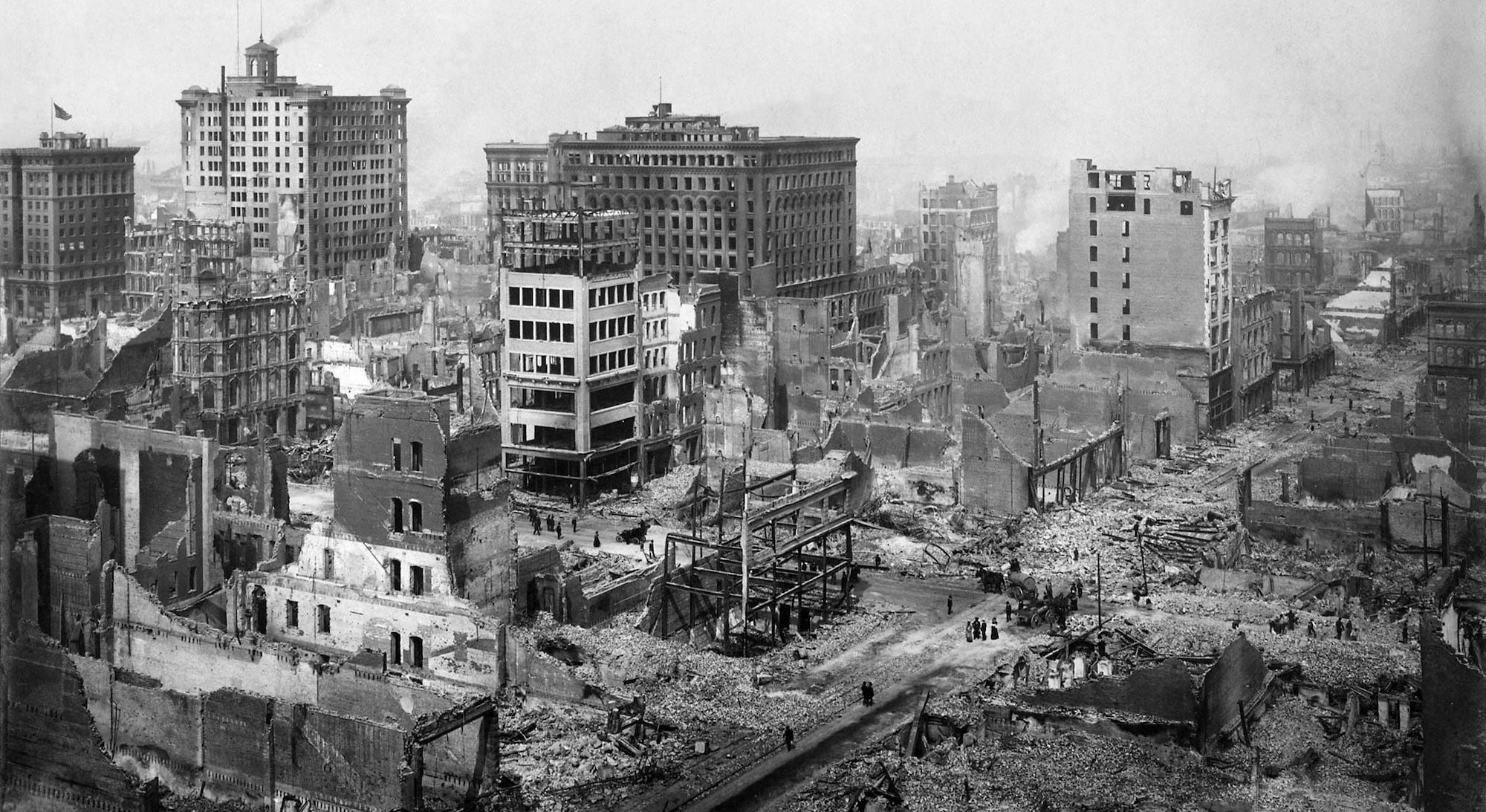
In the years leading up to 1906, conservative groups like the Asiatic Exclusion League (1905) pushed for immigration restrictions and segregation, while labor disputes and national Progressive Era reforms shaped debates over public health, suffrage, and working conditions.
In the years after, reconstruction and reform reinforced racial, class, and gender hierarchies. Anti-Asian and anti-queer policies intensified, yet displaced communities, including Black and Chinese, rebuilt commercial and entertainment districts, sustaining vibrant social life and laying foundations for San Francisco’s enduring cultural institutions.
From the devastation of the 1906 earthquake and fire, San Francisco spent the following decades rebuilding its streets, neighborhoods, and social fabric. The 1910s and 1920s brought expansion in finance, shipping, and culture, even as Prohibition and labor unrest stirred tension. The 1930s Depression tested the city with unemployment and strikes, while World War II transformed its economy, drawing in a diverse workforce and accelerating migration from across the US. By the 1950s and early 1960s, San Francisco had become a hub of postwar growth, suburban influence, and cultural ferment, setting the stage for the social, artistic, and political upheavals that would define 1966.
1966
During the years prior to 1966, grassroots campaigns, union organizing, and student protests at UC Berkeley built networks that would fuel new movements. Local communities faced police violence, housing inequality, and poverty, setting the stage for radical responses.
In 1966, several pivotal events marked a revolutionary Fire Horse year. The Black Panther Party was founded in Oakland to combat systemic racism and provide community programs, while the Hunters Point Uprising erupted after the police killing of 16-year-old Matthew Johnson. That same year, trans women and queer patrons resisted police harassment during the Compton’s Cafeteria Riot, which predates the Stonewall Riot in NYC by three years. Feminist activism also surged nationally with the formation of NOW.
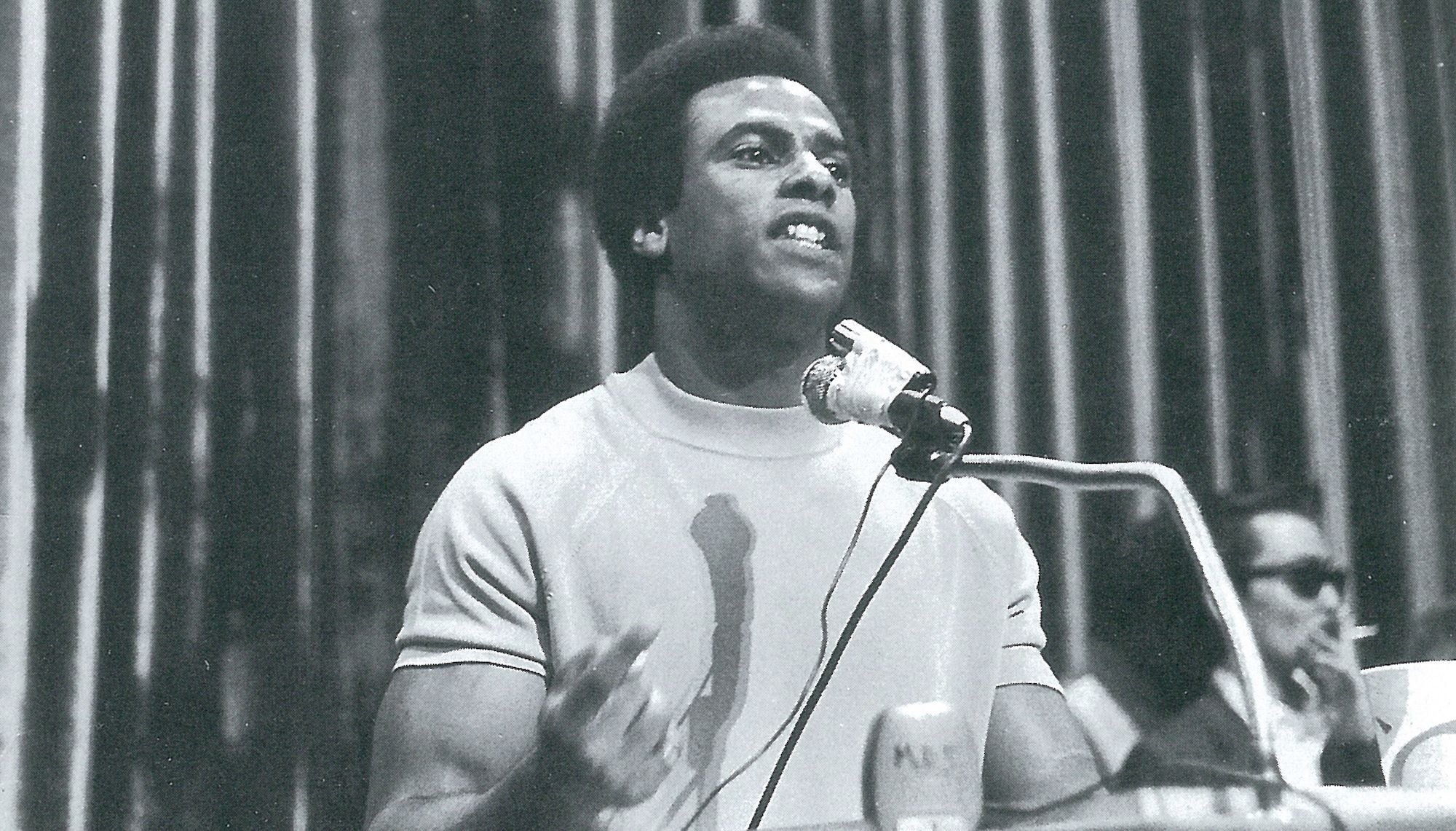
In the years that followed, intersectional activism expanded. San Francisco’s first Pride event, a Gay-In in Golden Gate Park, was held in 1970. The Black Panthers grew nationally, the San Francisco State College strike won ethnic studies programs, LGBTQ+ and feminist organizations emerged, and anti-war movements mobilized. Local unrest intersected with global currents like the Chinese Cultural Revolution, which inspired anti-elite and anti-capitalist ideas among Bay Area radicals.
San Francisco over the late 20th and early 21st centuries underwent waves of cultural, economic, and political transformation. The 1970s saw countercultural movements, LGBTQ+ activism, and protests against the Vietnam War reshape neighborhoods and civic life. The 1980s and 1990s brought tech-driven economic shifts, gentrification, and growing social tensions. Activism during the Iraq War and the Occupy movement shaped the early 2000s, along with the election of Barack Obama, followed by the Trump administration’s policies, the rise of Black Lives Matter, and conflicts like Gaza and climate change fueling mass demonstrations. The city also confronted public health crises, including fentanyl and COVID-19, alongside housing instability and climate pressures.
2026
Leading up to 2026, the tech industry and billionaire influence have continued to steer urban development, labor structures, and the pace of public policy. Under Trump’s administration, aggressive ICE enforcement, attacks on diversity and equity protections, and threats to programs like SNAP and Medicaid inflamed community tensions, while vaccine debates and public health policy became cultural battlegrounds.
Trans rights emerged as a flashpoint in schools and public discourse, sparking both fierce advocacy and organized backlash. Additionally, the impact of the climate crisis intensified, and artificial intelligence accelerated, largely optimized for profit, automation, and market dominance rather than public good.
There has also been resistance. Union victories, including wins by SF hotel workers in 2024 and most recently, the United Educators of SF's historic teachers' strike in February — its first strike in nearly 50 years, signaled renewed worker power, alongside local efforts to expand housing protections, raise minimum wages, and strengthen safeguards for gig and service workers. ICE and Gaza demonstrations, as well as broader civil rights organizing kept the streets politically vibrant, even as economic consolidation continued forging its path.
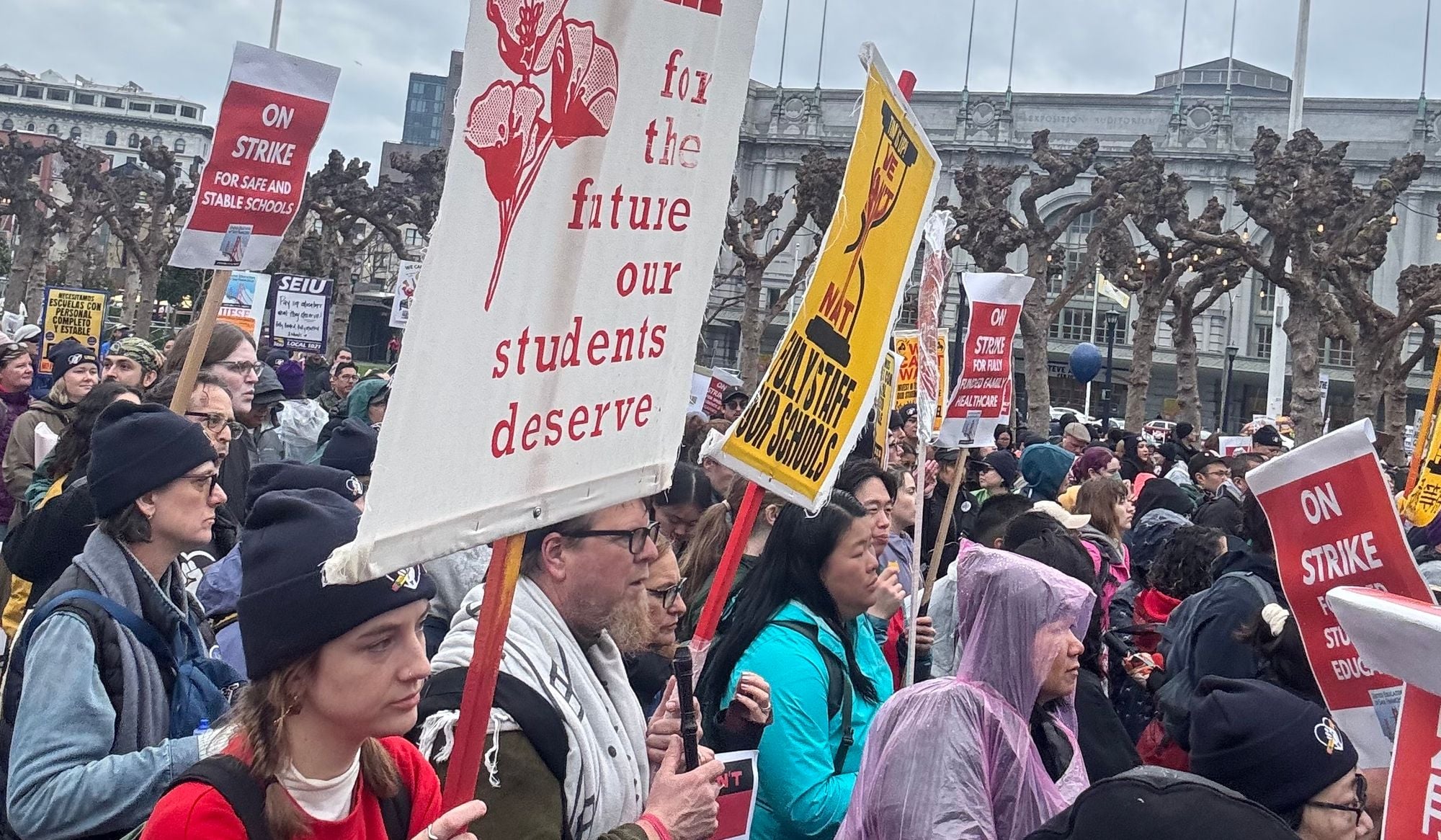
As we move through a tumultuous 2026, the patterns of the Chinese zodiac serve as a reminder of the cyclical nature of life, with the Fire Horse bringing long-simmering tensions into the open.
If technology has so far been wielded primarily as a wealth-extraction engine, this moment presents a fork in the road — to redirect AI, data systems, and digital infrastructure toward climate resilience, equitable healthcare, strong labor networks, and civic participation.
We were promised a future of connection and liberation. The next turn of the cycle asks whether we’re finally ready to build it that way.
BEIJING, CHINA - FEBRUARY 17: A Chinese dancer dressed in traditional style clothing waits before performing a Yingge dance, from southern China, during Lunar New Year celebrations at the Dongyue Taoist Temple, on February 17, 2026 in Beijing, China. China is celebrating the Lunar New Year of the Fire Horse and Spring Festival which began on February 17th. (Photo by Kevin Frayer/Getty Images)
Previously: Photos: Pair of Giant Horse Statues Ring In the Lunar New Year ‘Year of the Horse’ In SF


