
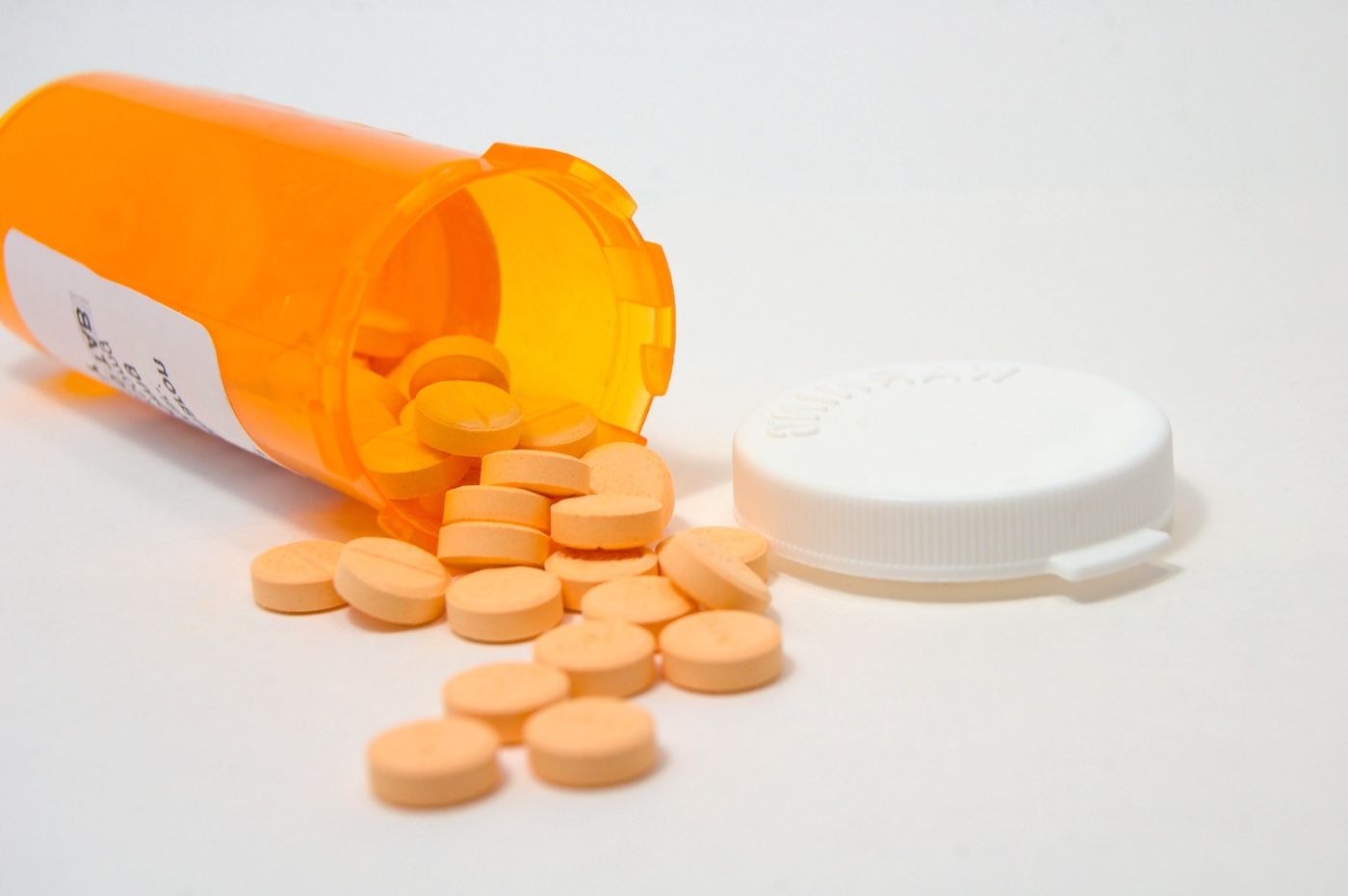
Two SF-based telehealth executives were sentenced to federal prison and fined $1 million each for carrying out a scheme that allegedly exploited relaxed COVID-era rules to fraudulently prescribe and distribute Adderall and other stimulants.
Ruthia He, founder and CEO of SF-based Done Global, and clinical president David Brody, were convicted earlier this year of conspiring to illegally distribute controlled substances, commit health care fraud, and deceive pharmacies and insurers into filling medically unnecessary stimulant prescriptions. On Tuesday, He was sentenced to six years in federal prison, while Brody received a two-year sentence. Both were also ordered to pay $1 million fines, along with restitution to the families of victims.
The Department of Justice said in a release that He and Brody built the company around a subscription model that prioritized rapid ADHD diagnoses and easy access to Adderall, Vyvanse, and other stimulants over legitimate medical care — while also hindering access for patients with legitimate prescriptions amid an ongoing stimulant shortage.
"Ruthia He hid behind the cloak of medicine to deceive the public, defraud health care programs, and unlawfully deal highly addictive drugs to vulnerable patients,” says Assistant Attorney General Colin M. McDonald of the National Fraud Enforcement Division, in a statement. "[Her] business model cast aside medical necessity and patient care in favor of profit and greed. Today’s sentence is a clear warning to every digital health boardroom: if you build fraud or illegal drug distribution into your growth model, the Department of Justice will find you and bring you to justice."
“Instead of properly addressing medical needs, the defendants allegedly made millions of dollars by pushing addictive medications,” said Anne Milgram, who was administrator of the Drug Enforcement Administration at the time of He and Brody’s arrests, per KQED.
The DOJ said that Done Global spent more than $40 million on social media ads allegedly designed to convince people they had ADHD, then funneled them through brief telehealth appointments and $79-a-month plans promising ongoing refills. Prosecutors alleged the company ultimately arranged prescriptions for more than 40 million stimulant pills while chasing a valuation of more than $1 billion.
According to court records, clinicians were pressured to diagnose ADHD and prescribe stimulants during appointments capped at about 30 minutes, while those who resisted were fired or pushed out. Prosecutors said some providers were paid as much as $60,000 a month for signing prescriptions every 30 seconds, and an auto-refill system allowed some patients to continue receiving medication for years without follow-up visits — including after psychiatric hospitalizations and, in some cases, after they had died.
Per the DOJ's release, "Brody encouraged Done’s practitioners to disregard the widely accepted DSM-V criteria. Indeed, Brody described these addictive substances to Done employees as candy that Done providers handed out like Santa Claus."
The DOJ said executives ignored repeated warnings from clinicians, families, and employees that patients were experiencing psychosis, bipolar episodes, and other serious mental health crises linked to stimulant use. Three mothers reportedly testified that Done continued prescribing medication after they pleaded with the company to stop.
KQED reports that during sentencing, Kimberly Atwood told the court that her brother Michael died after he was misdiagnosed by a Done provider and relapsed following treatment.
“I have a mistrust of doctors now,” Atwood told US District Judge Charles Breyer.
Brody, who admitted he never reviewed patients' medical records before signing off on refills, told the court he owed an apology to patients and staff.
“I was faced with a challenging situational operation, and I chose poorly,” he told Breyer, per KQED. “I relied too heavily on my own judgment. At the very moment when outside input would have made a crucial difference, I failed to engage others.”
He tearfully told the judge she had hoped to make a positive impact, though prosecutors also pointed to evidence that she tried to leave the country after the investigation began and secretly obtained Chinese travel documents after surrendering her passport.
Related: SF-Based Telehealth Startup Hims & Hers Gets Negative Attention From Congress After Super Bowl Ad
Image: wwing/Getty Images

Join the conversation
Comments
Comments load automatically as this section approaches.