
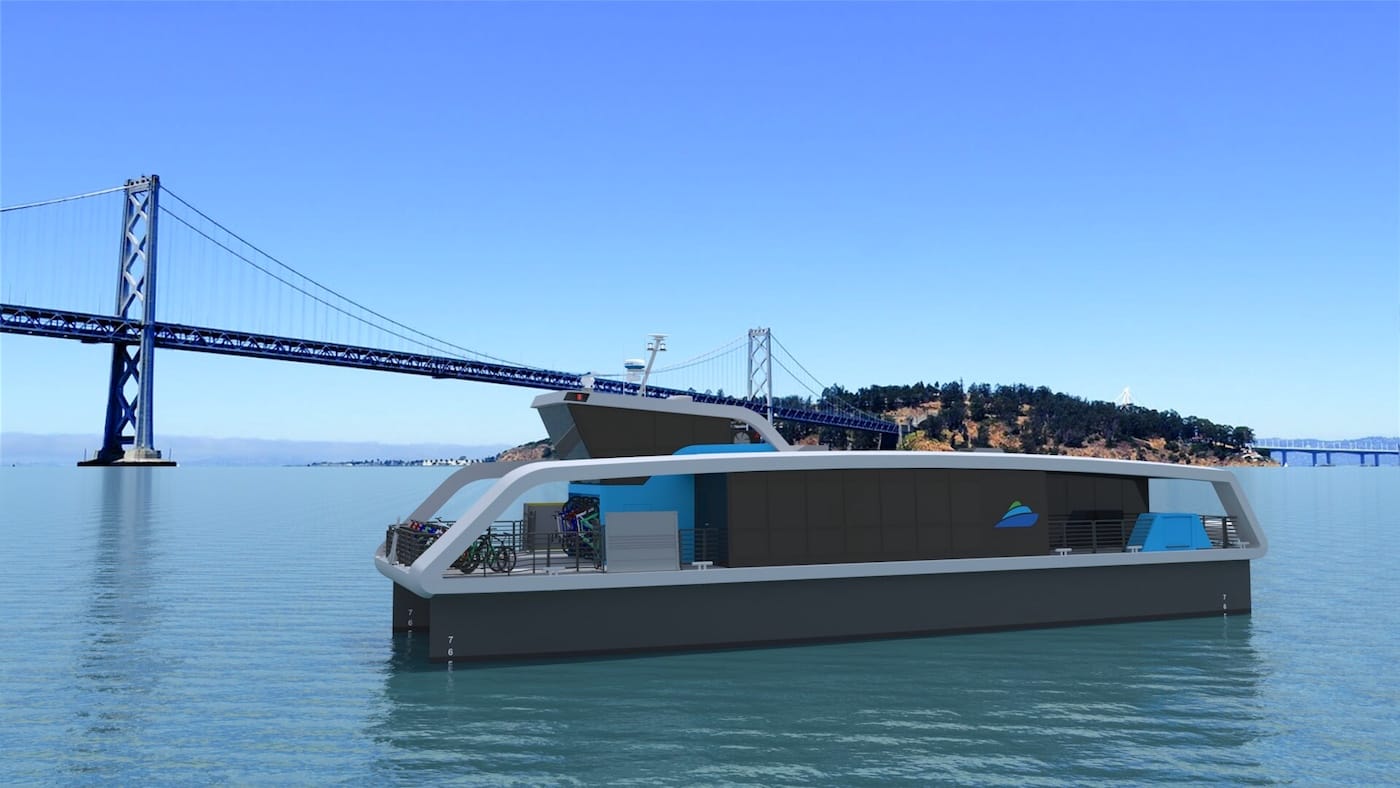
Governor Newsom has allowed for the fast-tracking of a new pier and ferry terminal in Berkeley, which would support electric-powered vessels serving San Francisco and potentially Larkspur, as residents voice concerns about the project.
The Berkeley ferry project moved closer to construction this week after California Governor Gavin Newsom certified the Water Transportation Pier Ferry Project for expedited judicial review under Senate Bill 149. As Secret San Francisco notes, the certification is intended to reduce the time legal challenges can hold up the project while keeping the environmental review process and public participation requirements in place.
“California presses ahead with clean transportation future, while House Republicans vote to choke port communities with dirty air,” wrote Newsom in a news release, referring to recent steps by the Trump administration and Congress to roll back some of California’s clean-air rules.
The project would replace the Berkeley Municipal Pier, which has been closed since 2015 after being deemed structurally unsafe, with a new 1,080-foot pier at the Berkeley Marina. The dual-purpose pier would include a ferry terminal, a 400-foot breakwater, ADA-compliant gangways, and charging infrastructure for all-electric vessels, while continuing to provide public access for fishing and other waterfront recreation.
The proposed Berkeley-to-San Francisco route is expected to serve more than 1,000 weekday passengers, with ferry service planned during weekday commute hours and throughout the day on weekends. Long-term plans could include service to Larkspur and special-event trips to places such as Oracle Park and Chase Center.
Construction could begin as early as mid-2027 and is expected to take about three years once work gets underway, as Berkeleyside reported in January.
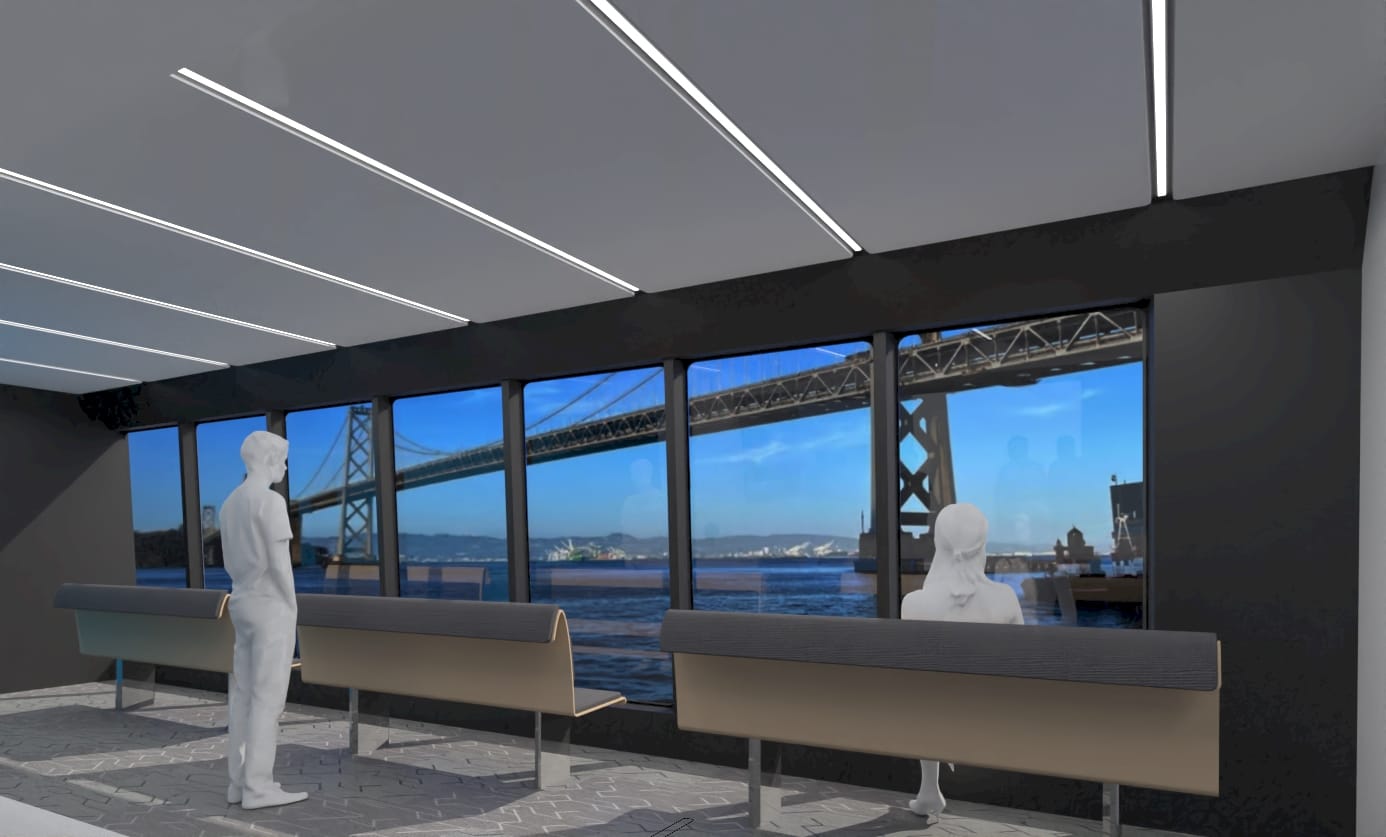
The Berkeley-to-San Francisco trip is expected to take about 25 minutes, with an estimated one-way fare of $5.17 to $5.41 in 2026. The proposed Berkeley-to-Larkspur trip would take about 35 minutes, with fares estimated at $10.78 to $12.72. The estimates are based on the current ferry service plan and could change before service begins.
The Berkeley ferry project is part of San Francisco Bay Ferry’s REEF program, or Redwood Environmental Electric Ferry, which aims to expand zero-emission ferry service around the Bay with electric vessels and the charging infrastructure needed to operate them.
The push comes amid California's efforts to transition the state's ferry fleet away from diesel. As the SF Examiner reported in 2023, California Air Resources Board materials published in 2023 called for short-run ferries operating in regulated state waters to transition to zero-emission vessels by December 31, 2025, with limited extensions available for infrastructure delays.
According to the Daily Cal, the City of Berkeley and San Francisco Bay Ferry have been working on the project since the Water Emergency Transportation Agency approached city officials in late 2018 about rebuilding the pier for electric ferry service.
The project has drawn concerns from some Berkeley residents and waterfront users over its cost, environmental effects, breakwater design, and the possibility that commuters will occupy marina parking spaces, per the Daily Cal. Residents have questioned whether the city could eventually be forced to help cover ferry operating costs, although project officials have said Berkeley would not subsidize operations from its general fund.
Others have questioned whether transportation funding should instead go toward existing transit systems, noting that BART and AC Transit are already struggling financially.
Backers say the new ferry would give Berkeley residents and workers another way to cross the Bay without driving, while restoring a pier that has been closed for more than a decade and bringing new activity to the waterfront.
Related: World’s First Commercial Hydrogen-Powered Ferry Spotted on the Waters of the SF Bay Today

Join the conversation
Comments
Comments load automatically as this section approaches.