We’ve never seen an SF institution offered historical landmark status but then reject the offer, but the SF Catholic Archdiocese is fighting a landmark designation for their Noe Valley church featured in the movie Sister Act.
San Francisco businesses and institutions just love to be honored with historic landmark status, because it honors them as “unique and irreplaceable assets to the city,” and it also makes it far more difficult for landlords to demolish or renovate buildings with landmark status. We are not aware of any occasion where a business or institution has been offered landmark status, but rejected the distinction.
Yet we are seeing this now. The Bay Area Reporter has been following the story of Supervisor Rafael Mandelman’s attempt to landmark several churches and historic buildings in his District 8, particularly before Mayor Daniel Lurie’s “family zoning” upzoning plan kicks in to make those buildings very vulnerable to demolition for redevelopment.
But the latest from the Bay Area Reporter says that the Catholic Archdiocese of San Francisco does not want landmark designation given to is churches, the most notable of which is St. Paul’s Catholic Church at Church and Valley street in Noe Valley, which was famously featured in Whoopi Goldberg’s 1992 blockbuster comedy Sister Act.
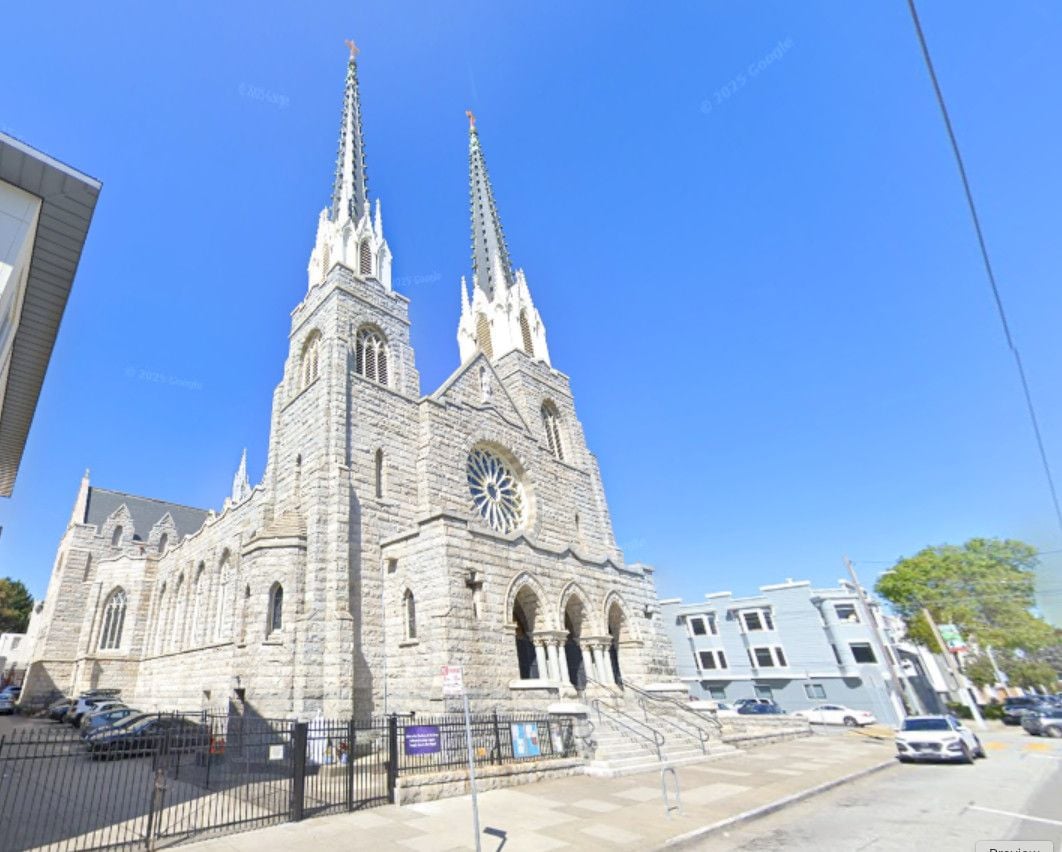
Here is St. Paul’s Catholic Church. Its exteriors were used in several shots in Sister Act, though the interior church shots were filmed at First United Methodist Church in Hollywood. But Noe Valley is all over the movie Sister Act, and the Chronicle’s Peter Hartlaub has an absolutely delightful retrospective on how the film’s set designers cleverly made Noe Valley look like a slum for the shooting of the film.
Supervisor Mandelman is not trying to landmark St Paul's because of the movie Sister Act, he's trying to landmark it because it is a historically significant, 115-year-old English Gothic architectural wonder. But the Catholic Archdiocese of SF does not want the landmark status, and had the item taken off the Historical Preservation Commission's agenda this past Wednesday.
“I think they may be arguing we don’t have authority to do this,” Mandelman told the Bay Area Reporter. “[The Planning Deprtment] is going to pull them back and figure this out separately so we can get a handle on them. I will support this because we want to do this right.”
The million-dollar question here is why the Archdiocese does not want the distinction that so many other buildings fight so hard for.
“We object to the landmarking,” Archdiocese of San Francisco Real Property Support Corporation executive director John Christian told the Bay Area Reporter. “Landmarking church properties in California has been settled law for over 30 years as a matter of case law and statutory law.”
He refers to a 1994 law passed by Willie Brown when he was Speaker of the California State Assembly, allowing churches to be exempt from preservation laws if they wanted to destroy or sell their historic properties. That law has taken on a new significance in an era when churches are trying to shield their real estate holdings to avoid paying their sexual abuse victims who’ve won court settlements.
Which shows we live in a time when large churches are more in the real estate business than the business of, you know, saving souls or promoting scriptural teachings.
Either way, this matter is not yet resolved, and has been currently tabled to the Historical Preservation Commission's February 4 meeting.
Image: Google Street View

