
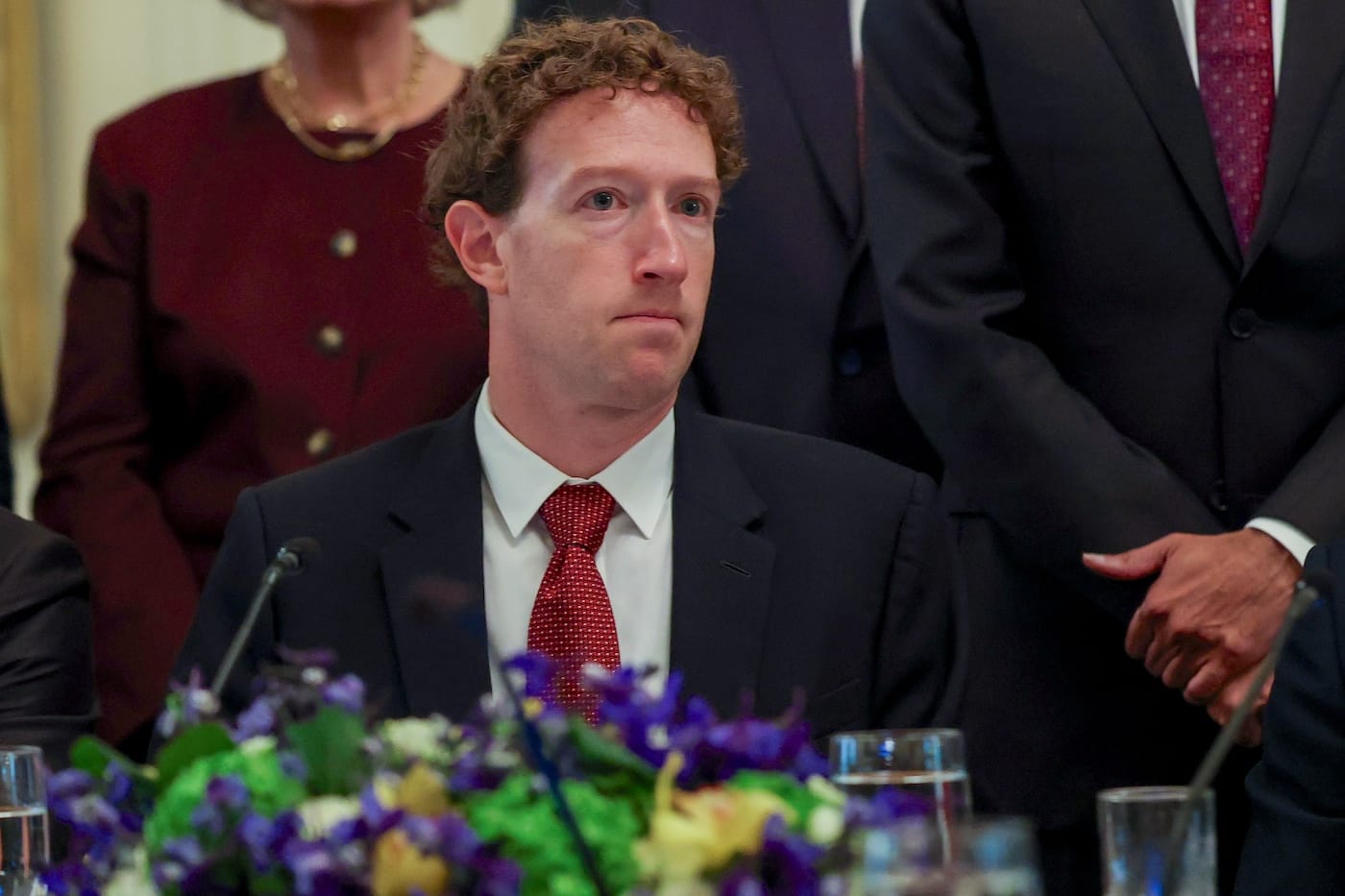
Meta has been saving billions through a research tax credit by calling its AI data centers “pilot models,” while experts say the credit is meant for experimentation and innovation, not standard business expenses.
Meta has been receiving a very large tax break over the past two years on the massive data centers it’s building across the country to power its AI ventures by telling the IRS that the facilities are essentially experimental projects, as the New York Times reports. It has reportedly set aside $18.74 billion for potential disputes with the IRS on the matter.
The company reportedly began using the research credit for its AI data centers in 2024, as it ramped up a massive nationwide buildout. For tax purposes, Meta started separating chips destined for AI data centers from those going to its regular data centers, treating the AI facilities as “pilot models” where new technology was supposedly being tested.
According to the Times, the research credit was created in the 1980s to encourage companies to take risks on research and development that could lead to new technology. Meta is reportedly using it to claim tax breaks on expensive computer chips from companies such as Nvidia, even though the chips themselves are already commercially available.
Additionally, Meta is using the research tax credit on top of its existing deductions for regular research expenses. This means a deduction reduces the income that gets taxed, and the research tax credit directly reduces the tax owed.
The move has led to exponential growth, with Meta reporting $2 billion in research tax credits in 2024 and $3.9 billion in 2025 compared to $700 million in 2023, before it began using the strategy for its AI data centers, as the Times reports. This reportedly makes Meta the largest beneficiary of the research credit among publicly traded companies.
The approach raised questions inside Meta’s finance department, according to people familiar with the company’s operations. The IRS has previously challenged companies that tried to use the credit for equipment and technology that had already been proven and was commercially available.
Meta consulted tax attorneys before moving ahead with the strategy, per the Times. Alex Sadler, a former Justice Department tax lawyer, said at a tax conference in Virginia this month that the use of “pilot models” is an area of controversy, particularly when companies are essentially treating commercial production as research.
“What if we have a $10 billion data center that does cool stuff that hasn’t really been done?” Sadler said, speaking to the Times. “Is all the cost a research expenditure?”
Meta's own accountants have reportedly warned investors about the possibility that some of those tax benefits could be rejected by the IRS, listing “uncertainties with our research tax credits” as the biggest factor behind its unrecognized tax benefits.
Per the Times, the amount Meta has set aside for potential tax disputes has reportedly risen 45% over the past two years, from $12.9 billion to $18.74 billion.
Meta spokesman Andy Stone defended the company's approach, pointing to its $200 billion in research and development spending over the past five years.
“Like other companies that invest at this scale, we use the tax incentives Congress established decades ago to encourage this type of domestic investment,” Stone said, speaking to the Times.
But the tax credit's original sponsor, former Massachusetts Representative James Shannon, said the benefit was intended to encourage investment in people and knowledge, rather than simply subsidizing expensive equipment.
“This has gone way, way beyond what anybody could have imagined,” Shannon told the Times.
This is reportedly only one of Meta’s ongoing fights with the IRS, which is separately seeking $355 million over Meta's treatment of $4.1 billion in stock options exercised by CEO Mark Zuckerberg as a research expense.
In another much larger case, the IRS is seeking nearly $16 billion in taxes and penalties over profits it says Meta shifted from the U.S. to the Cayman Islands, as the Times reports.
The research tax credit itself is expected to cost the federal government $32.1 billion in 2025, according to the Congressional Joint Committee on Taxation. Meta's claimed credits alone amount to more than a tenth of that projected cost.
Related: Meta Agrees to $17 Billion Settlement In Social Media Addiction Lawsuit From 47 States

Join the conversation
Comments
Comments load automatically as this section approaches.