
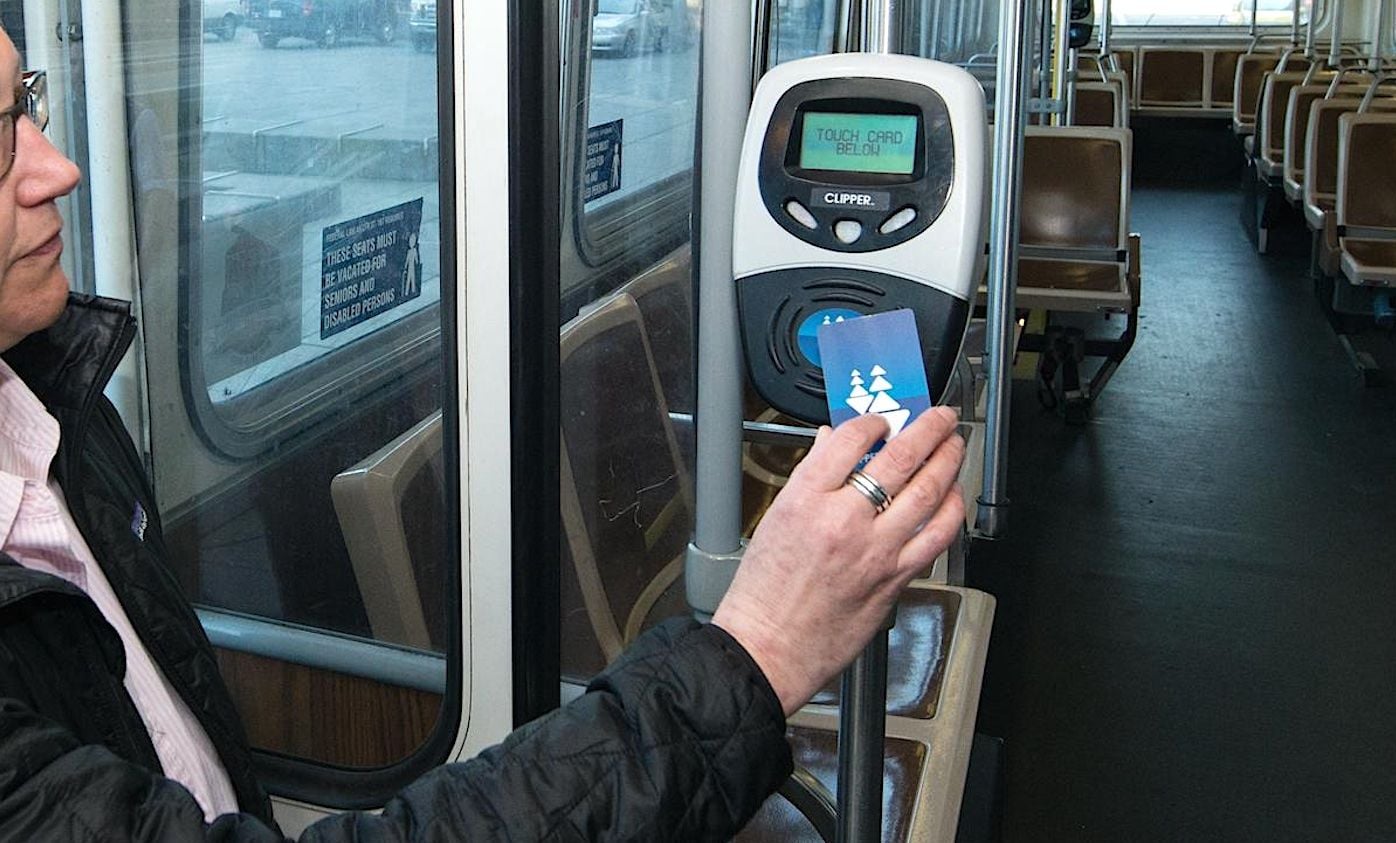
SFMTA’s proposed budget would slightly increase single-ride Muni fares and some parking fines while significantly increasing cable car fares. As a compromise, fines for uncurbed wheels will go down, and the fare for two single Muni rides would cover a full day of rides.
The San Francisco Municipal Transportation Agency (SFMTA) announced that its Board of Directors approved a two-year operating budget totaling $1.5 billion for fiscal year 2026–27 and $1.6 billion for 2027–28, closing projected shortfalls of $307 million and $344 million. A separate capital budget of $655 million in the first year and $546 million in the second will fund infrastructure, vehicles, and safety upgrades supporting Muni service.
The plan, which must first get approval from Mayor Daniel Lurie and then the SF Board of Supervisors, is the first phase of a broader effort to stabilize the agency’s finances, as deficits were expected to reach $434 million within five years.
The agency cites rising labor costs — particularly healthcare and retirement obligations, which continue to drive its structural deficit, with personnel expenses growing faster than revenue despite a reduction of 89 positions. About 75% of the operating budget is dedicated to Muni service, forcing tradeoffs to avoid deeper cuts.
Despite internal cost-cutting, the SFMTA says additional funding is needed to avoid major service reductions starting in the second year of the budget. The agency’s plan relies on three sources: continued efficiencies and smaller revenue gains from fares, parking, and advertising; a proposed regional sales tax under the Connect Bay Area Transit Initiative that could generate about $155 million annually for Muni; and a local “Stronger Muni for All” parcel tax expected to bring in roughly $150 million per year, plus about $10 million for service improvements, if approved by voters.
Without those measures, officials warn the system could face sweeping cuts, including the elimination of up to 20 routes, longer wait times across Metro and other frequent lines, and reductions to evening service by as much as 60%. Historic lines, including cable cars and the F Market & Wharves streetcar, could also be scaled back, along with service for major events. The agency says its budget maintains paratransit service and preserves free or discounted fares for youth, seniors, and riders with disabilities.
A key change in the SFMTA’s budget is the rollout of fare capping on Muni, where riders who pay for two trips in a single day won’t be charged for additional rides. The agency also approved small fare and fee increases expected to bring in about $30 million in the first year and $15 million in the second.
Cable car fares will jump from $9 to $12 in 2026–2027 before being phased out the following year, alongside the rollout of a new $18 “Cable Car Plus” pass that includes unlimited rides and allows two youth to ride free with a paying adult.
Parking costs will also rise, with higher late penalties, a 10% increase in some fees, and a $0.25 bump in base meter rates by 2027–28, but some fines — like failing to curb wheels on hills — will be reduced.
The SFMTA will rely in part on a $200 million loan from the state, issued through the Metropolitan Transportation Commission, to support the first year of its capital budget. The loan spans 12 years, beginning with two years of interest-only payments, followed by a decade of repayments covering both principal and interest.
Capital investments reportedly focus on safety and system upkeep, including traffic calming, high-injury corridor upgrades, and quick-build projects linked to lower pedestrian collisions. Funding also supports ongoing infrastructure maintenance and a major overhaul of up to 157 light rail vehicles to extend their lifespan and improve performance.
The agency says it’s cut $246 million since 2020 through staffing reductions, spending cuts, contract changes, and fare enforcement while highlighting service gains from the Muni Forward program. The initiative has upgraded over 100 miles of corridors across Muni with transit lanes, signal priority, and stop improvements, reportedly reducing travel times by up to 35% and saving about $30 million over the past six years.
The SFMTA launched its budget outreach in October 2025 with a multilingual citywide survey, collecting over 5,000 responses and about 2,500 written comments. A large majority — 84% — ranked maintaining the speed, frequency, and reliability of Muni as a top priority. The agency followed up with three public open houses, briefings for more than 60 organizations, and ongoing updates through digital channels and outreach campaigns.
Community feedback consistently emphasized preserving core transit service and affordability programs, says the agency.
Mayor Daniel Lurie is scheduled to include the budget in his May 1 submission to the Board of Supervisors, where it will move through the final approval process.
Image: SFMTA

Join the conversation
Comments
Comments load automatically as this section approaches.