This week: Polynesian dance in Fremont, a new cat cafe in SF, a South Bay Batman, book clubs of the Peninsula, and California pollinators. Also, examining an ancient Greek star map using physics; supporting stroke survivors; and highlighting the unsettling parts of suburban life.
Traces in the margins
In Menlo Park, a lab built for cutting-edge physics is being used to recover something far older. Researchers at SLAC National Accelerator Laboratory are using x-ray imaging to look through layers of ancient parchment, revealing a star map that was written in ancient Greece and later scraped away.
By analyzing the chemical makeup of old inks and metals, the team can reconstruct what once sat on the page, even when nothing is visible to the eye. The work offers a rare glimpse into how early astronomers charted the sky and how fragile that record can be. — NBC Bay Area
Other hands in the garden
As gardens start to wake up for spring, it’s a good moment to notice the many quiet pollinators preparing for their busiest season, from hummingbirds and native bees to butterflies and even flies, all getting ready to carry color and life from plant to plant.
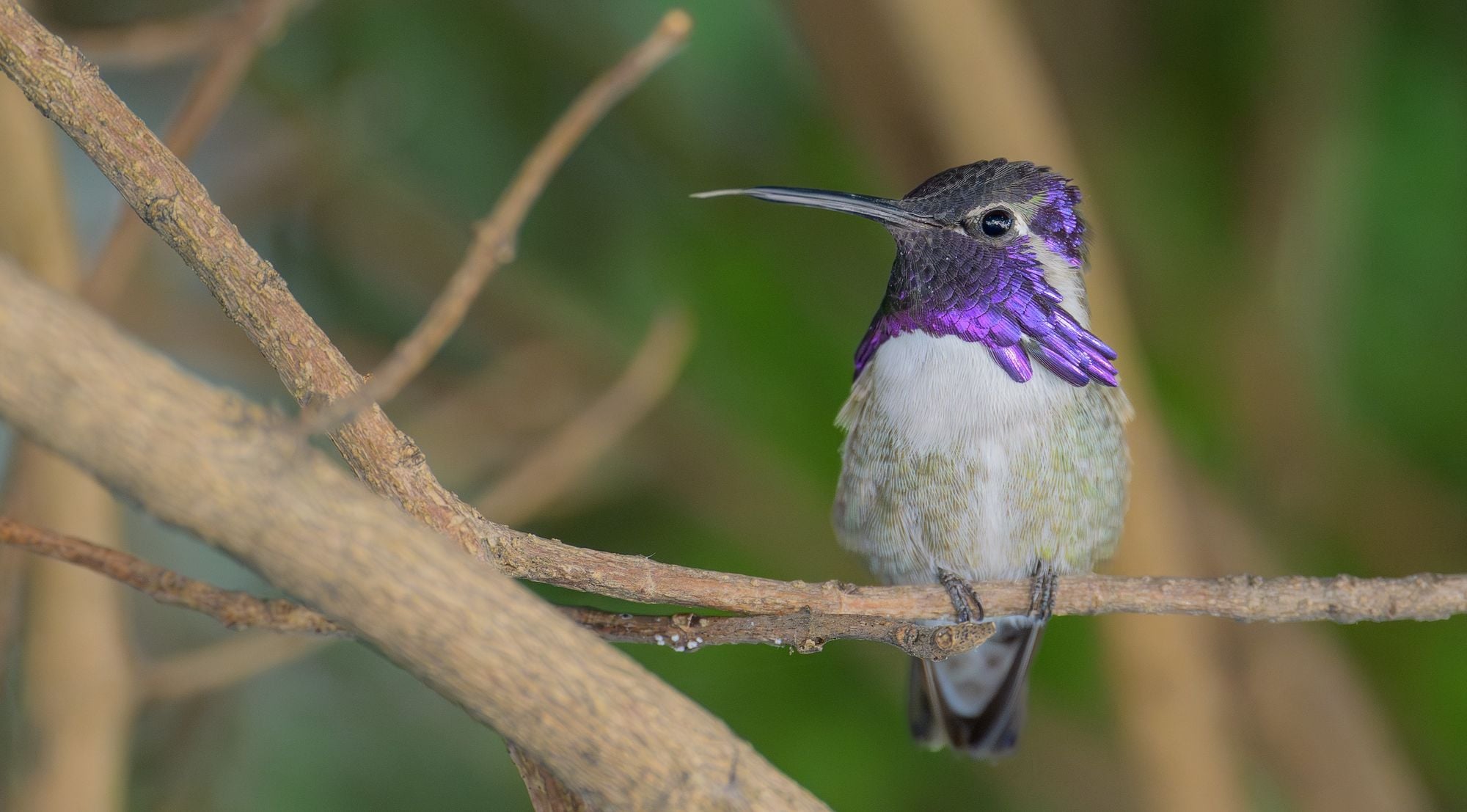
Pollination shapes about 80% of flowering plants and most food crops, from cocoa and bananas to agave, while cross-pollination keeps species resilient through genetic diversity. In California, where roughly 1,600 native bee species live, understanding these roles matters as introduced honeybees compete for resources and spread disease. — Marin Independent Journal
Rooms for whiskers and lounging
At Whiskerwood Haven in SF’s Inner Richmond, cats arrive through a network of foster homes and step into a space designed to show who they really are. The lounge lets people spend time with them, watch their temperaments unfold, and make more thoughtful matches than a quick shelter visit allows.
Whiskerwood Haven is open daily from 11 am to 7 pm. — Richmond Sunset News
Cul-de-sacs and quiet weather
Jonathan Crow paints the California suburb as a place where light, color, and unease share the same frame. Drawing from childhood memories, film training, and a life split between parenting and the art studio, his scenes hold ordinary spaces open long enough for something unsettled to surface.
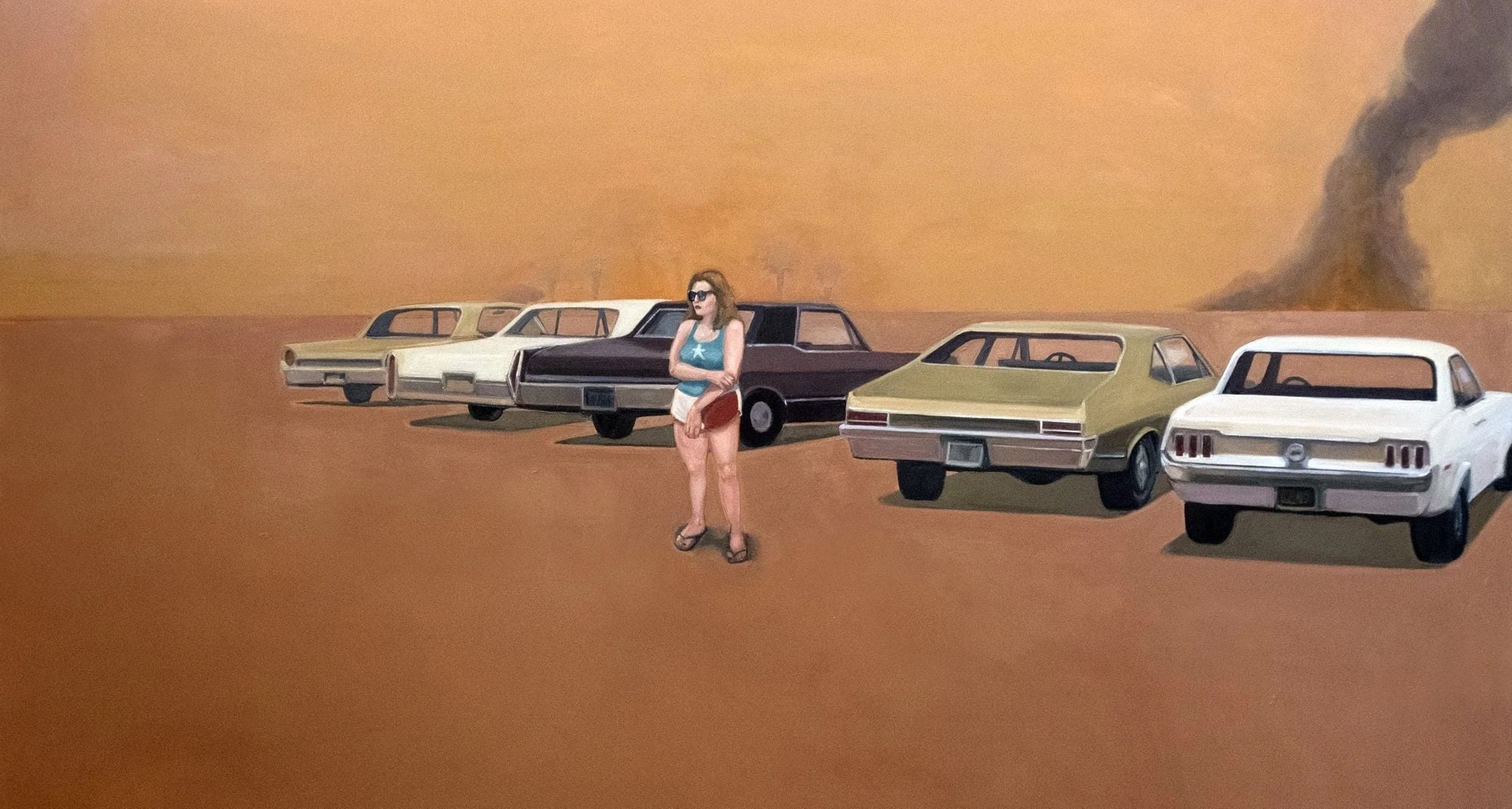
Pools, gardens, and abandoned carts become stages for moods shaped by politics, memory, and the strange calm of residential life. Crow’s solo show, Cul-de-Sac, is on view at the Triton Museum of Art in Santa Clara through May 3, with a reception on January 24. — 48 Hills
A cape in the margins
For nearly eight years, the Batman of San Jose has walked the city at night with water, food, and first-aid supplies, building trust with people living unhoused. What began as a teenager’s response to discrimination has grown into a mix of street outreach and public advocacy, including speaking at City Hall and pushing for housing-first policies.
His costume is practical as much as it is symbolic, stocked with medical gear and a cape that can double as an emergency blanket. The work now extends beyond him through Bay Area Superheroes, a small mutual-aid collective active across San Jose, San Francisco, and Oakland. — KQED
Small circles, open books
Book clubs across the Peninsula are giving people simple ways to meet through libraries and independent bookstores. Some focus on graphic novels, others on short novellas, cookbooks, or quiet “silent reading” sessions.
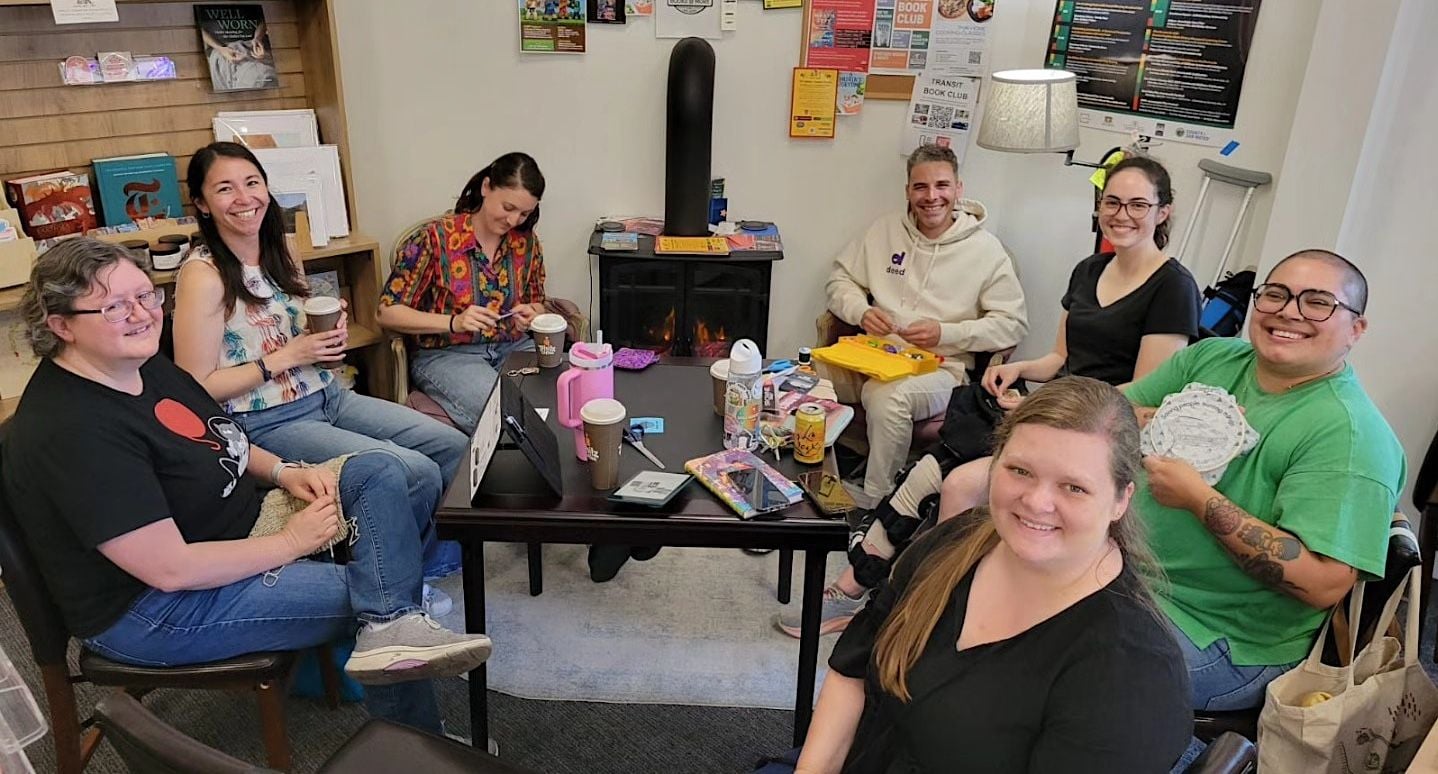
Many are open to the public and built to feel low-pressure, whether that means shorter books, casual discussion, or just reading alongside others. Groups meet in places like Mitchell Park Library in Palo Alto, Fireside Books & More in Redwood City, Sanchez Library in Pacifica, and Feldman’s Books in Menlo Park. — Mountain View Voice
Life after stroke
After a severe stroke in 2010, Debra Meyerson had to leave her tenured Stanford job and relearn how to speak, while grappling with her sense of identity. She and her husband, Steve Zuckerman, turned that experience into Stroke Onward, a nonprofit supporting survivors beyond medical recovery.
They’ve since organized a 4,500-mile tandem bike ride, launched live storytelling through the Stroke Monologues, and created an online community connecting survivors, care partners, and medical professionals. — KPIX
Waves in motion
In a Fremont industrial park, the Hula Halau ‘O Nalua fills the room with drums, chants, and synchronized movement that pulls dancers into the rhythms of Hawaii and Tahiti. Students of all ages glide through Kahiko, hula ‘Auana, and Ote’a, connecting to ancestry, culture, and each other.
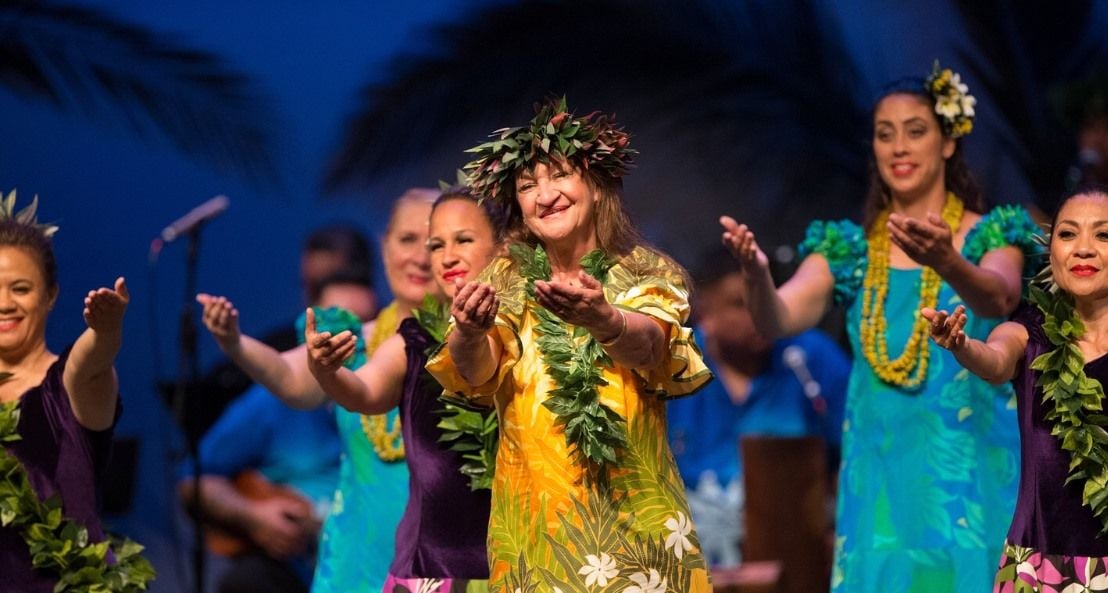
For many, hula goes beyond steps and rhythms, offering a break from the daily grind, a moment of focus, and a link across generations. The school, approaching its 50th year, also tours internationally and fosters community through ongoing performances and family involvement. — Bay Area News Group
Top image: Jonathan Crow
Previously: Field Notes: Suitcases for Foster Youth, an East Bay Roundhouse, and a Teen Artist in ‘70s-Era Berkeley

