This week: Protecting newt migrations, returning the Tule elk to their land, and remembering Humphrey the Humpback whale. Also, Joan Baez in Alameda, mentors for trans youth, 20 years of MoAD, calendar and puzzle fundraiser by East Bay creatives, and a 1912 tugboat for sale.
Big top music
Joan Baez has joined The Soiled Dove at Alameda Point, lending her voice to a circus set in 1890s San Francisco along the Barbary Coast. The show blends live music with acrobatics and dinner-theater, creating a lively mix of spectacle and story.
Originally set to close last weekend, its run has been extended through November 15 due to popular demand. — NBC Bay Area
Hearts in conversation
A new series, Love You for You, follows trans and nonbinary kids as they talk with the people who support them. In one conversation, an 8-year-old navigates school, family, and teasing; in another, a 16-year-old shares his coming-out story with a close family friend.
The episodes highlight small but meaningful ways mentors and relatives affirm identity — from correcting pronouns to celebrating creativity. Across generations, the series captures how guidance and care shape these young lives. Three episodes feature six conversations, all focused on thriving with love and understanding. — KQED
Woven galaxies
Museum of the African Diaspora’s Continuum marks 20 years of showcasing Black art and culture, bringing together two decades of exhibitions, programs, and artists into a living archive that celebrates creativity, resilience, and community. Among the works, Ramekon O’Arwisters’ sculpture Bitten 8 channels imagination and reckoning, using shards — discarded, jagged, and marginalized—to confront anxiety, anger, and the permanence of White-body supremacy. Continuum runs through March 1, 2026.
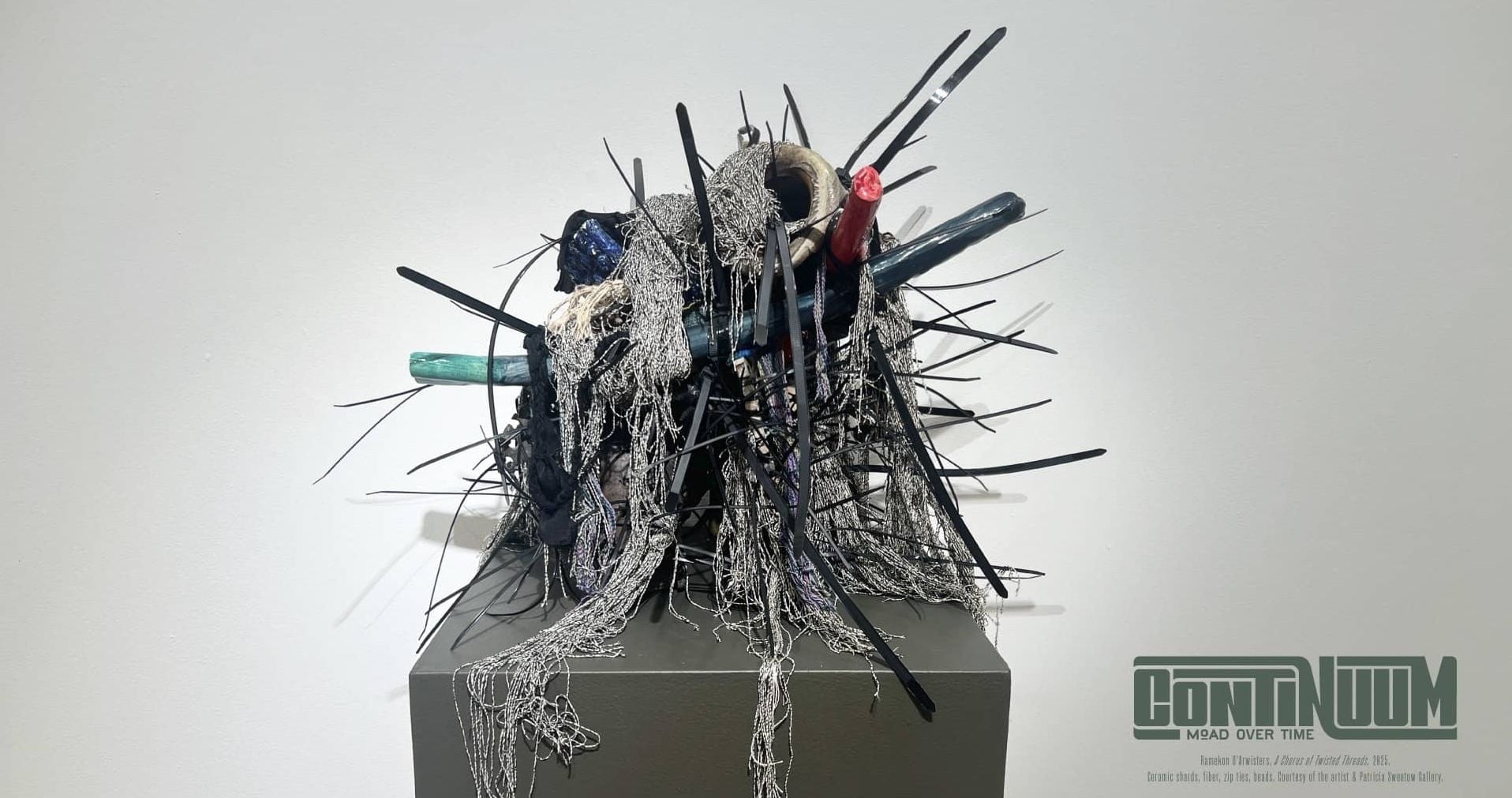
Additionally, O’Arwisters is hosting one of his regular CrochetJam events at MoAD on Saturday, November 6, where community members stitch together connection with the same care and energy he brings to his work. — 7 x 7
East Bay talent
East Bay creatives have turned their lens and craft toward community care with Oakland Leaves No Crumbs, a 2026 calendar and puzzle that highlight local businesses while raising funds for Centro Legal de la Raza. The project brought together photographers, stylists, and artisans who donated time, food, and props to capture everything from Lunar New Year and Day of the Dead imagery to neighborhood roasters and bakeries.
Pre-orders are open through November 11 with a launch event on December 13 showcasing food from the featured businesses as well as limited calendars and puzzles for sale. — Oaklandside
Migration under moonlight
Each winter, the California newts of Tilden Park make their perilous pilgrimage across South Park Drive, drawn toward the creeks where they breed. To spare them the wheels of passing cars, the East Bay Regional Park District closes the road from November through March — a tradition more than 25 years old.
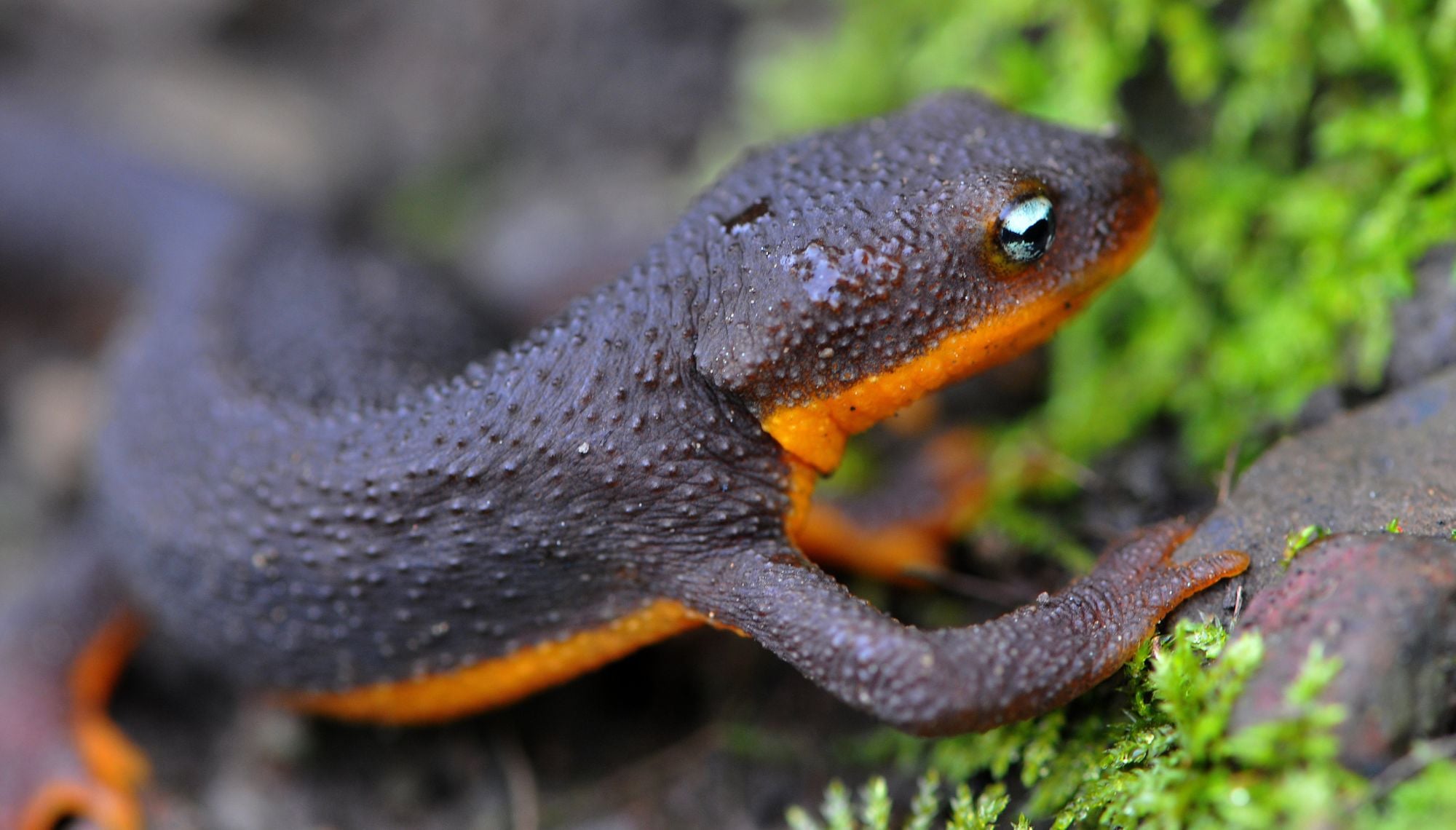
Cyclists and hikers still pass through, moving slowly while dogs are kept at a distance; the newts’ skin carries a potent toxin. Grizzly Peak Boulevard and Wildcat Canyon Road serve as detours through migration season. — Berkeleyside
Seasoning the earth
The chaos-gardening enthusiasts at SFinBloom are inspiring the public to scatter native wildflower seeds with the casual flair of seasoning a meal — letting color and pollination make their way into nearby alleys, on medians, and other forgotten corners.
Armed with custom parmesan-style shakers filled with seeds, “Mr. Bloom” encourages people to fight “plant inequity” and climate gloom through small acts of restoration. His key advice: don’t wait for spring — plant now, and let the wild things take the lead. — SFinBloom
Returning the hills
After decades away, Tule elk have stepped onto the Sierra foothills once more, roaming lands recently restored to the Tule River Tribe. The 17,000-acre Yowlumne Hills connect tribal territory to forested corridors, opening space not only for elk but for beavers, waterways, and wildfire-resilient ecosystems.
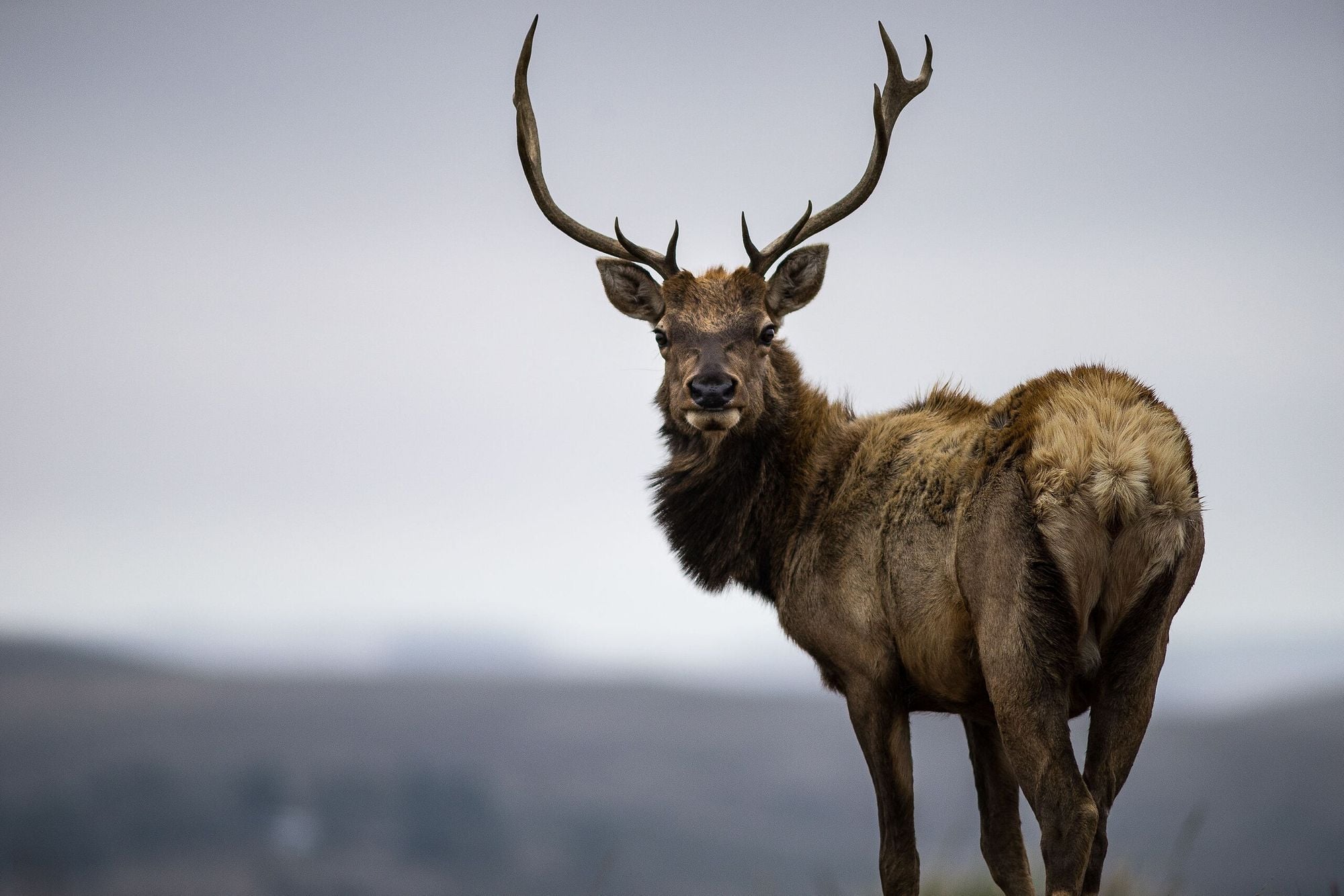
Tribal members and supporters gathered to release the elk last week, part of broader stewardship that blends cultural knowledge, prescribed burns, and habitat restoration. The land is envisioned as a place to gather, heal, and witness the deep ties between people, wildlife, and the ancestral landscape. — SFGate
Tidelines and time machines
A 1912 wooden tugboat that once hauled cargo in Alaska has, for more than 40 years, served as the floating home of Stewart Brand — founder of The Whole Earth Catalog and co-founder of the Long Now Foundation — and it’s now for sale in Sausalito for $1.4 million.
The Mirene was converted into a one-bedroom retreat with a gourmet kitchen and library, reflecting Brand’s lifelong ethos of reuse and reinvention. Its deck faces the San Francisco skyline, a fitting view for a vessel built to endure and adapt. The 64-foot boat also includes its own tender for short trips across the Bay. — Bay Area News Group, Dwell
Riverbound whale
Forty years ago, a humpback named Humphrey took a wrong turn into the Sacramento River and turned a small Delta town into the center of the world. Rio Vista’s residents watched the 40-ton visitor thread through sloughs and levees, stuck at times, stubborn at others, as scientists, volunteers, and onlookers scrambled to guide him safely back to the river.
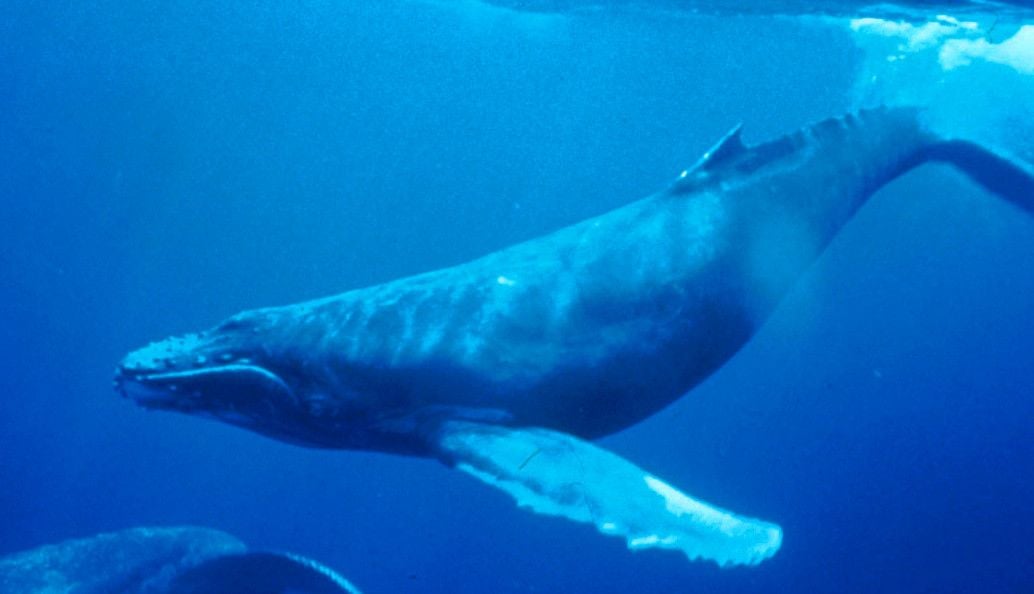
Kids in local classrooms today still follow his story through whale-themed reading charts and plush mascots, a reminder that his journey was both spectacle and shared memory. On November 4, 1985, Humphrey finally returned to the Pacific, leaving behind a trail of stories, flare-lit celebrations, and a town that keeps him alive in song and spirit. — KALW
Top Image: Matt Knoth/Flickr
Previously: Field Notes: Capybara Pups, Falcons, Supermarket Dance Parties, and Living on a Shellmound

