Sarah Jane Moore, one of two would-be assassins who took aim at President Gerald Ford in the span of three weeks in the summer of 1975, died on Wednesday in a nursing home in Tennessee at the age of 95 — just two days after the 50th anniversary of her fateful act.
Moore infamously pulled out a gun and fired two shots outside Union Square's St. Francis Hotel as President Ford was exiting the hotel on September 22, 1975. Her first shot missed, and her second shot might have been closer were it not for the intervening hand of Oliver Sipple, a former Marine and closeted gay man who was briefly deemed a hero — and forcibly outed by Harvey Milk, who saw Sipple's privacy as less important than the political optics of a national hero who happened to be gay.
Moore remains one of the most enigmatic figures in the history of American political assassinations. Neither as cuckoo as Lynette Alice "Squeaky" Fromme — who took the first attempted shot at Ford that September in Sacramento — nor as vainglorious as the likes of John Hinckley Jr. or Lee Harvey Oswald, Moore was a loner figure in search of a cause who had both tried to join radical organizations in San Francisco and became an FBI informant to potentially betray them.
She worked briefly in 1974 with a food program, People in Need, funded by Randolph Hearst in order to appease the Symbionese Liberation Army who had his daughter Patty captive at the time, and espoused Marxist ideals. And she was married and divorced at least five times.
Biographer Geri Spieler, who has written the only book about Moore and her motivations, never really gets to the core of what spurred Moore to to try to kill Ford, but one thing was clear — she was bound and determined to get it done. As the New York Times notes in their obituary today, Moore had actually brought a weapon to an event Ford was appearing at at Stanford University on September 21, 1975, the day before the assassination attempt. The Secret Service spotted her with her gun and pulled her aside for questioning — but she cast such an unthreatening figure and passed herself off as a middle-aged housewife, so they let her go, but seized her gun.
Moore then went to a gun dealer in Danville, where she was living, and purchased the gun she used to shoot at Ford the next day. She was 45 years old at the time, and had dropped her son off at school that morning.
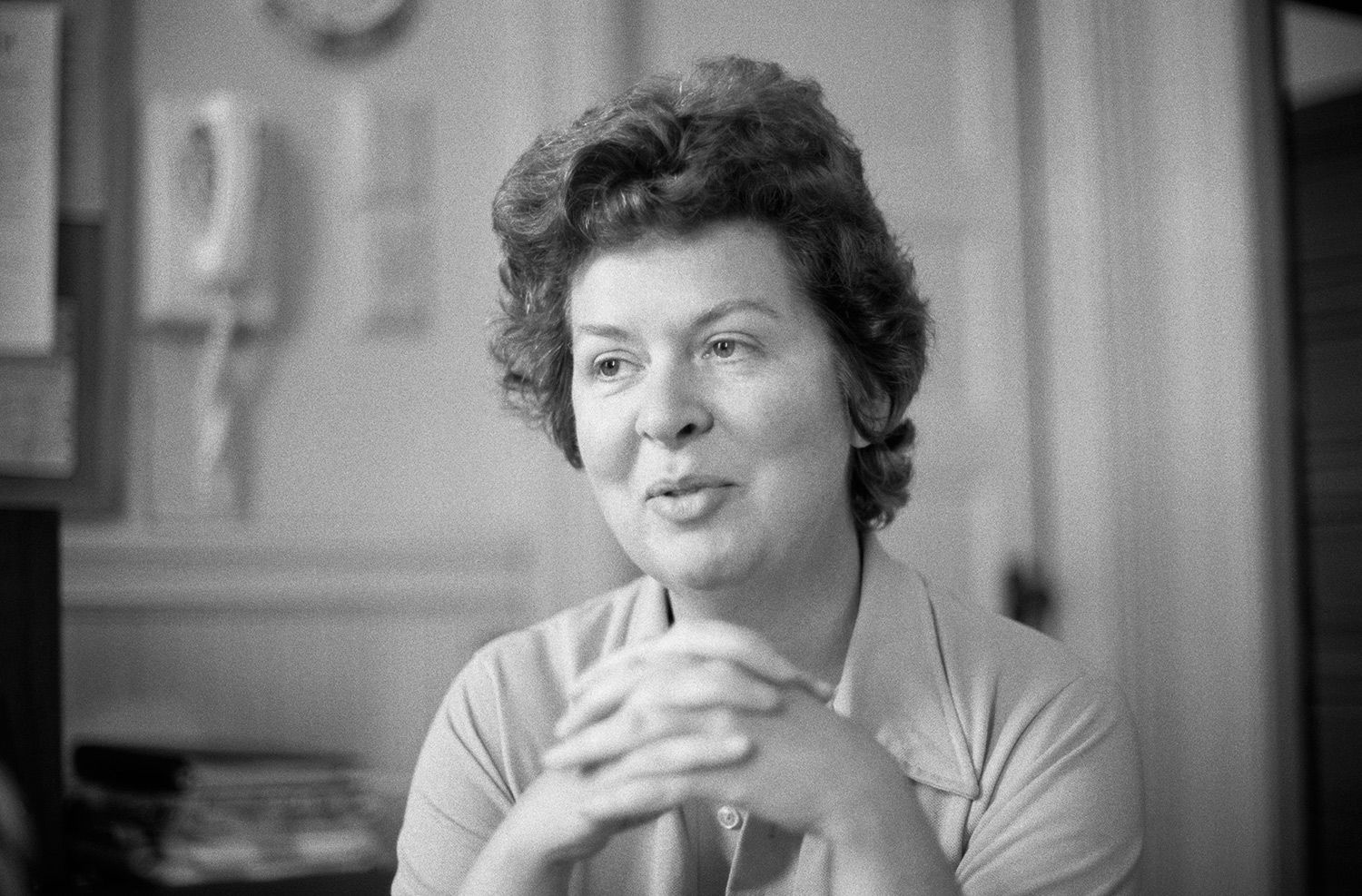
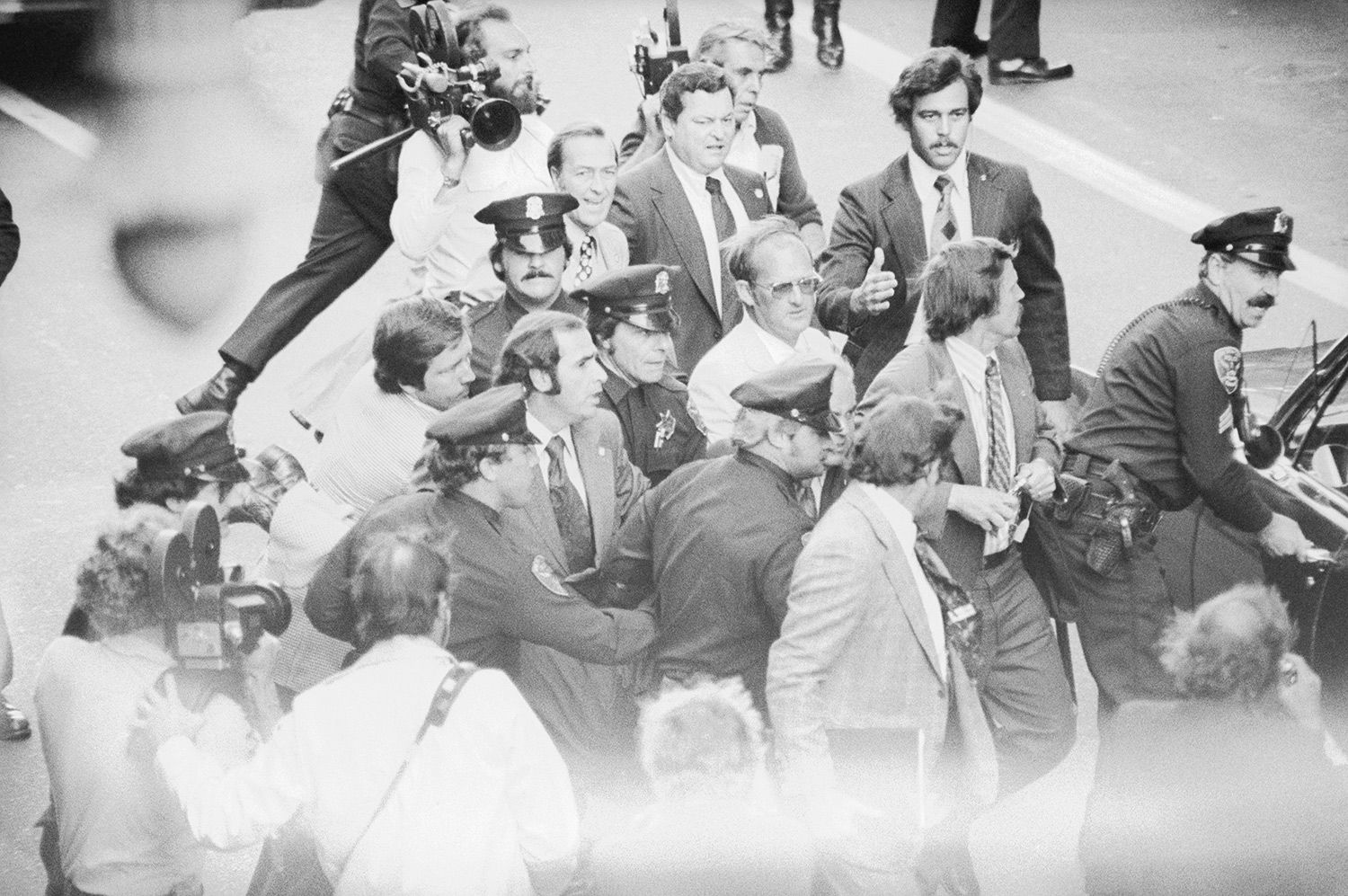
Moore ended up serving 32 years for the assassination attempt, getting paroled in 2007.
She gave a rare interview in 2009 to the Today Show's Matt Lauer, and shined some of the only light on her crime that she ever did — she was more reticent in the years leading up to her parole.
"It was a time people don’t remember," Moore told Lauer. "We were saying the country needed to change. The only way it was going to change was a violent revolution. I genuinely thought that this [assassination] might trigger that new revolution in this country."
On the 20th anniversary of the assassination attempt in 2015, CNN spoke to Moore, and she passed off her motivations as a version of "everybody was doing it," or at least "everyone was talking about doing it."
"I don't know about the rest of the country, but in San Francisco, people were saying this all the time," she said. "Number one: We elect our presidents, we don't appoint them. And Gerald Ford was appointed, and he was appointed by a crook, if you'll pardon the expression. So it wasn't a unique feeling."
She went on to say that she saw her role as taking one for the team when it came to the coming revolution, destroying her own life so that radical leaders who wanted the same thing could go on to do their work.
"I thought somebody like me — I was a nobody — it would be better coming from somebody like me and not destroying these people who I felt were leaders, and if they did this it would destroy their leadership," she said.
Last year, a local Nashville TV affiliate got an on-camera interview with Moore from the nursing home where she spent her final years, asking about the attempt on Donald Trump's life which had just occurred. Moore seemed to have remained politically engaged, and was watching Trump speaking in Butler, PA on CNN live when the assassination attempt occurred.
"It's been a long time," Moore said, when asked if the Trump shooting brought up any PTSD for her. "I have more control of my emotions and more control of things than I used to."
She also described being fearless in the moment, on the day of her attempt on Ford's life. "When you psych yourself up for something like that... it's sort of like being in a play," Moore said. "You rehearse and rehearse, and when the time comes you just do it."
Related: Mining The Sad Tale Of San Francisco's First Reluctant Out Gay Hero, Oliver Sipple

