
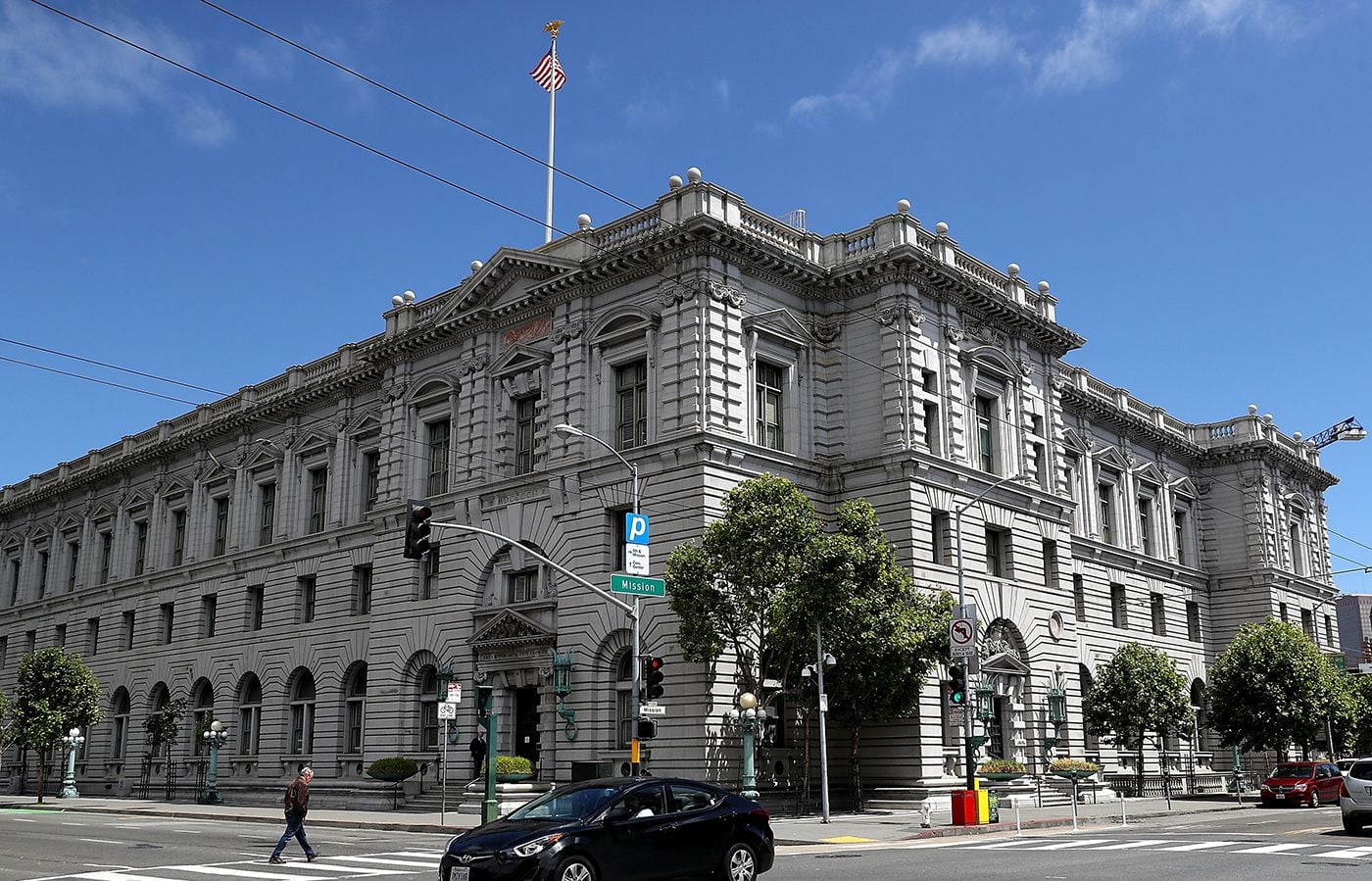
As other appeals courts have also done over the last year as President Trump's goons go about trying to rid the country of immigrants of all kinds, the Ninth Circuit Court of Appeals has issued a new ruling striking down the administration's policy of detaining immigrants within the country.
The decision, written by Trump appointee Judge Daniel Bress, came down Thursday in a case out of Washington state. And it arrives just as Trump's ICE operation has increasingly been seeking out immigrants with expired visas flying domestically at US airports.
"Historically, the law regarded unadmitted aliens present in the interior of the United States as subject to release on bond during the pendency of their removal proceedings," Judge Bress writes for the majority. "That understanding persisted after the 1996 amendments to the Immigration and Nationality Act (INA)."
Bress acknowledged that there has been a different policy over the past several decades when it comes to immigrants appearing at the border, who could be detained and deported without a hearing. But the Trump administration's mass-detention surge over the past 18 months has no precedent and is inconsistent with congressional mandates, he writes.
The ruling looks back at how the US has handled immigrants, at the border and otherwise, over the last 150 years.
"The government’s change in policy has resulted in detained aliens filing thousands of habeas petitions in federal courts across the country, seeking bond hearings and possible release from detention," Bress writes. "Some of these detained aliens have resided in the United States for lengthy periods."
"We conclude that the text, context, and structure of the INA, considered as a whole, did not direct such a significant, yet overlooked, change in the law," Bress writes.
Judge M. Margaret McKeown, a Clinton appointee, joined Bress in the 2-1 majority. Judge Carlos T. Bea, a George W. Bush appointee, dissented, noting in his dissent that much of what he wrote there was echoed in the opinions of five other circuit courts on similar matters.
The judges' main point of difference appears to be language around immigrants "seeking admission" to the US and being "applicants for admission," and whether anyone present in the US for any length of time without proper papers is automatically "seeking admission."
Judge Bress noted that in earlier cases, "The panel observed that the Fifth and Eighth Circuits have sided with the government (each over a dissent), while the Second, Sixth, Tenth, and Eleventh Circuits have sided with the habeas petitioners (the Sixth and Eleventh with dissents), and the Seventh Circuit has issued a decision that failed to command a majority."
All this disagreement between the appellate courts likely points to the Supreme Court taking up the issue of automatic mass detentions of immigrants. Though by the time they potentially issue a ruling on this, likely next year, many thousands of people will have already been deported and or detained for lengthy periods of time.
Previously: Immigrants Urged to Avoid Air Travel Amid Rise In ICE Arrests at Bay Area Airports
Photo via Getty Images

Join the conversation
Comments
Comments load automatically as this section approaches.