It's a bad week in the courts for Meta, and also for Google and YouTube, after juries in two states came back with verdicts against the companies in high-profile cases about the dangers of social media.
Meta and Google were both found liable Wednesday by a jury in Los Angeles in a closely watched case involving social media addiction and teens. The jury found that both Instagram and YouTube were responsible for cultivating the increased usage of their platforms by plaintiff KGM, whose first name is Kaley — who, her attorneys say, began using YouTube at age 6, and Instagram at age 11, and she is now 20 years old.
Plaintiff's attorneys argued during the month-long trial that both Meta and Google had purposely designed their platforms to be addictive, and that they were aware of the harms they were doing to children and teens. In KGM's case, that addiction led to mental health crises, including depression and suicidal ideation.
The jury awarded KGM $6 million, as NPR reports, with $3 million in compensatory damages and $3 million in punitive damages, and with Meta covering about 70% of that sum.
"For years, social media companies have profited from targeting children while concealing their addictive and dangerous design features," said co-lead attorney for the plaintiff Joseph VanZandt. "Today's verdict is a referendum — from a jury, to an entire industry — that accountability has arrived."
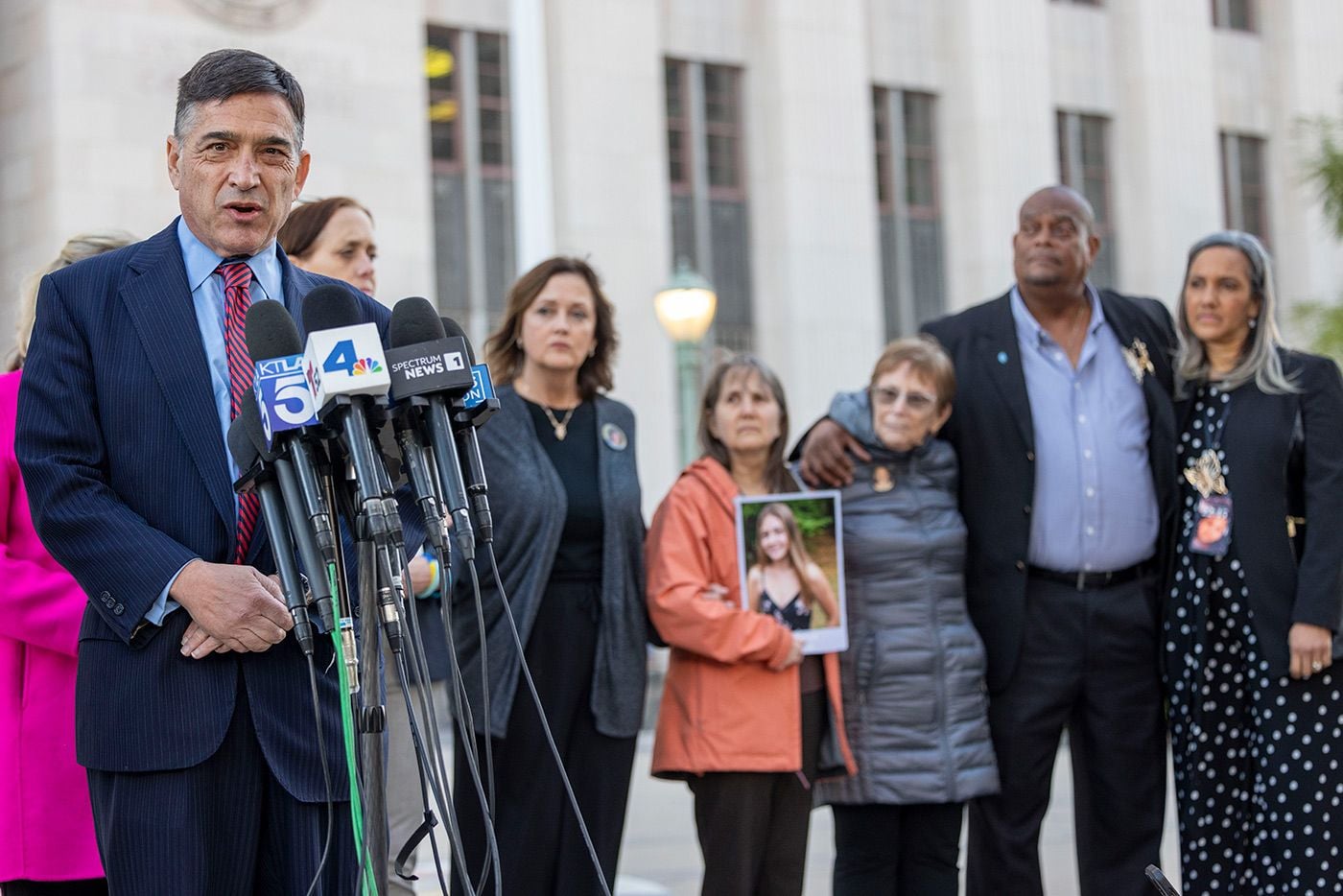
The trial was attended by multiple sets of parents of teens who took their own lives or otherwise suffered mentally due to social media addictions. And the attorney of record for the plaintiff was Matthew Bergman of the Seattle-based Social Media Victims Law Center.
Reminder: This is the same case where CEO Mark Zuckerberg showed up to testify himself in February, and members of Meta's staff were called out by the judge for appearing to be illicitly recording the proceedings using Meta's Ray-Ban sunglasses with built-in cameras.
As NPR notes, the case has drawn comparisons to the landmark cases brought against Big Tobacco in the 1990s over similarly dangerous practices to encourage addiction to their products.
Meta is reportedly weighing its option, and Google has already said it plans to appeal the case. A spokesperson for Google, José Castañeda, said in a statement, "This case misunderstands YouTube, which is a responsibly built streaming platform, not a social media site."
Wednesday's verdict in Los Angeles follows another defeat in court involving Meta on Tuesday, in a case out of New Mexico. Both civil cases were being tried simultaneously, and the monetary damages in the New Mexico case are far larger.
As CNN reports, a jury returned a verdict in the New Mexico case after less than a day of deliberations, following a six-week trial, finding Meta liable for failing to warn users about the dangers of child predators on its platforms, and failing to protect young users from being targeted by those predators.
The jury found that Meta had engaged in “unfair and deceptive” and “unconscionable” trade practices, and ordered the company to pay $375 million in damages.
The case was brought by New Mexico Attorney General Raúl Torrez in 2023, following a whistleblower account from Arturo Bejar, a former engineering director at Meta, who testified at the trial that his own 14-year-old daughter had been targeted with sexually explicit messages on Instagram.
Torrez's investigation involved the creation of fake accounts purporting to be those of children, which investigators found were then contacted by child predators. Two of those men were subsequently arrested at a New Mexico motel in May 2024, after they allegedly arrived there seeking to have sex with a 12-year-old girl, depicted in one of those fake accounts.
Meta has said it will be appealing the case, and the company's attorneys argued in court that while bad actors and messages may slip through its safety filters, it had invested heavily in child safety on its platforms. A company spokesperson earlier said "child exploitation is a horrific crime and we’ve spent years building technology to combat it."
Andy Stone, Meta's longtime communications chief, critized Torrez's probe ahead of the verdict last week, tweeting that it was "an ethically compromised investigation into Meta that knowingly put real children at risk." And, he said that Torrez had "opted for a self-promotional political victory over child safety."
Stone specifically called out Torrez and the law firm that led the investigation for crossing legal and ethical lines through the use of real photos of actual children, without their consent, to create the fake profiles they used as bait for predators.
"And how did they justify using images of real children who would then be forever linked with their new online personas and predatory activity? Because they were 'profile pictures of minors from outside the United States,'" Stone writes. "That's right, it was OK because they weren't American children."
Stone also accused Torrez and his team of "proactively posting sexualized 'teen' content and friending adult strangers en masse" as part of their sting.
Per CNN, Torrez calls Meta's criticisms, "a distraction" and that the company should "focus on their own accountability."
Previously: Meta Team Scolded For Wearing Those Ray-Ban Glasses In Court During Zuckerberg Testimony

