Dust that collects on and near insulator caps along BART's electrified third rail was potentially to blame for a scary August 29 incident in which an apparent fire in the Transbay Tube led to smoke entering a moving train.
BART has had its share of technical snafus this year, including two major, systemwide, morning-commute meltdowns on May 9 and September 5 that were blamed on software or computer upgrade troubles.
But among some of the more minor — but nonetheless troubling — incidents have been a couple of smoke incidents, including one on October 7 in which smoke filled Embarcadero Station, which was blamed at the time on "an equipment problem on a train" and a "blown electrical insulator." A more serious incident occurred on August 29, when a train traveling to Oakland through the Transbay Tube came to a stop and filled up with smoke, due to some sort of fire inside the tunnel — an incident that was blamed, at first, on the train's overheating brakes.
The incident led to frightened, choking passengers and a massive Friday night disruption that halted all train traffic through the Tube for hours.
Similar incidents occurred in the last decade as well, including one at Embarcadero Station in July 2017, which prompted the previous maintenance program.
Now NBC Bay Area has an investigative piece about what could be the likely culprit behind both incidents, though this has not yet been confirmed.
A former BART engineer, Barney Smits, who led the agency's fire safety program tells NBC Bay Area that caked-on iron dust, which collects on electrical insulator caps from trains passing along tracks, can cause electrical arcing and "flashover" incidents, which can lead to dangerous fire and smoke conditions, particularly in closed environments like tunnels.
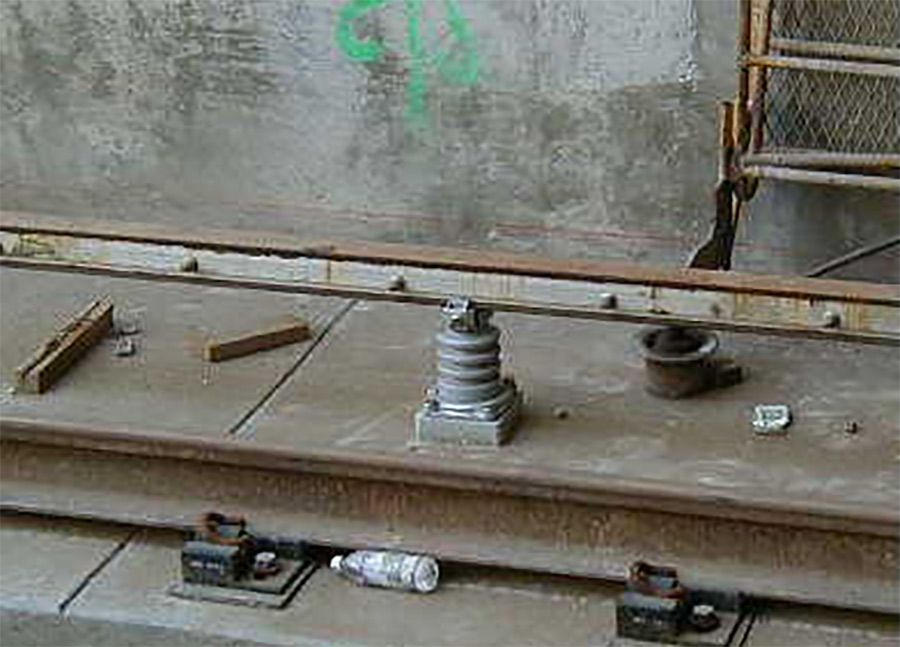
The caps prevent electrical current from BART's third rail from reaching the ground, and when they get dusty in open-air environments, it is less of a concern.
BART knew of the hazard posed by the dust, but they opted in 2020 to stop cleaning these insulator caps, saying that the process caused the caps themselves to degrade faster and require replacement.
"You've got to clean them," Smits tells NBC. He adds, "This is a much more safety risk situation, because you're talking about 1,000 volts DC, and you're talking about a potential arc and a potential flashover and a potential fire."
BART management reportedly has an expert report on the way, to be completed in January, about the recent smoke incidents.
And now at least one BART board member, Liz Ames, says she'll be calling on the board to mandate that an insulator cap cleaning program be put back in place. She tells NBC Bay Area, of the August 29 incident, "I don't think anybody wants to see that again — it's terrifying."

