
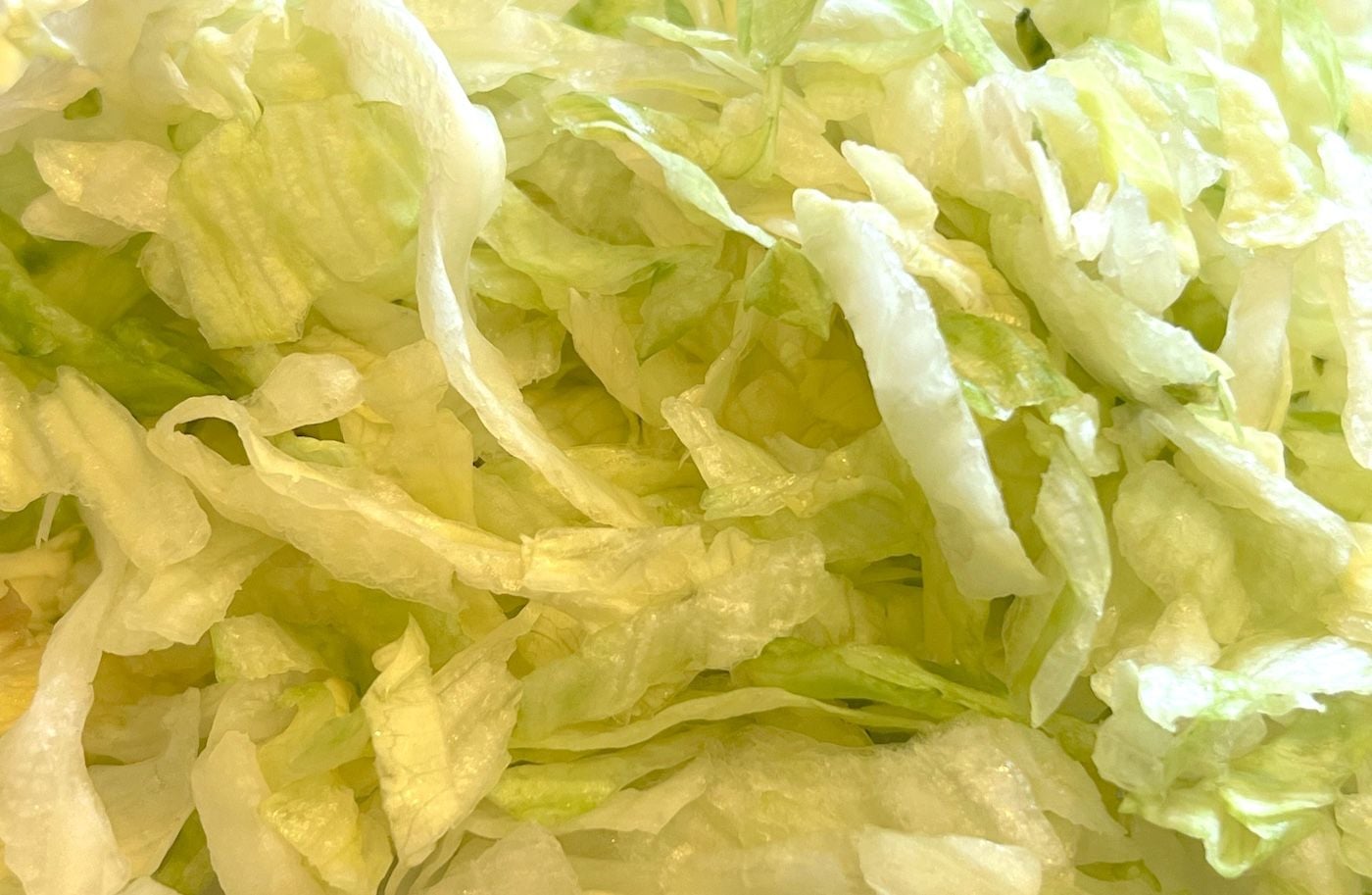
Shredded iceberg lettuce sold at some Taco Bell restaurants in five Midwestern states has been linked to the current outbreak of an intestinal illness known as cyclosporiasis, which is believed to have been supplied by Salinas-based Taylor Farms.
Taylor Farms said it has pulled all iceberg lettuce sourced from central Mexico from the US market after federal investigators traced the outbreak to a single farm and nearby processing facility that supplied shredded lettuce to Taco Bell locations in Indiana, Kentucky, Michigan, Ohio, and West Virginia, as CNN first reported. Taco Bell said it voluntarily removed the affected lettuce from restaurants in those states and is permanently dropping the supplier from its nationwide supply chain.
Health officials have identified at least 1,644 illnesses tied to the Taco Bell outbreak across the five states, though the broader surge in cyclosporiasis, caused by the single-cell paraside cyclospora, has sickened nearly 7,000 people nationwide since May and led to at least 180 hospitalizations. While cyclosporiasis is common in the summer months, outbreaks typically are not this widespread.
The CDC says several other outbreaks under investigation are unrelated to the Taco Bell cases, and additional states could still be linked as the investigation continues.
Taylor Farms said the farm under investigation accounts for less than 1% of the US iceberg lettuce supply and that none of its branded salad kits contain iceberg lettuce, per CNN. According to the New York Times, the privately held company, founded in Salinas in Monterey County in 1995, supplies produce to grocery stores and major restaurant chains across North America through an extensive network of farms, processors, and food distributors.
As SFist reported previously, the company has also been tied to several previous foodborne illness investigations, including a 2024 E. coli outbreak linked to onions served at McDonald's. The farm was also tied to a 2013 cyclosporia outbreak associated with restaurant lettuce.
Cyclosporiasis spreads through contaminated food or water rather than person-to-person contact. Symptoms, including prolonged watery diarrhea, cramping, and bloating, often don't appear for one to two weeks after exposure.
"It happens a week or two after exposure so you might not think you've eaten anything risky," UCSF infectious disease specialist Dr. Peter Chin-Hong told KPIX. "For example, you might've stopped eating lettuce because of what's going on, but this is a risk of a week or two ago."
Chin-Hong said California typically sees only about 40 cases a year. He recommends cooking fruits and vegetables when possible, choosing produce with peels, and removing the outer layers of leafy greens to reduce risk — but definitely don’t skip fresh produce out of fear.
"People should not panic," Chin-Hong said, speaking to KPIX. "You definitely should eat fruits and vegetables. That's one of the healthiest things we can do for our diet. It's the peak time for fruits right now so please enjoy them and enjoy them safely."
Update: After Taylor Farms' efforts to downplay its role in the outbreak, and following some alleged communication with the White House and FDA officials about the lettuce recall, a California congressman is now launching an investigation under the auspices of the House Oversight Committee.
Related: Onions From One NorCal Farm Linked to McDonald's E. Coli Outbreak

Join the conversation
Comments
Comments load automatically as this section approaches.