
Officials discussed the future of San Francisco’s Drug Court Thursday, as its case loads have ballooned while staffing has remained low, and DA Jenkins says the court’s decision to allow violent offenders was “destructive to the program.”
As SFist reported in January, the Drug Court has evolved into something much different than officials intended when it was established in 1995. Initially set up as a diversion program supporting nonviolent drug offenders struggling with addiction, the court’s aim was to keep them out of jail and court — and away from situations that led to their offenses.
The court later expanded in 2018 to allow offenders with mental health disorders. Since then, the number of cases have not only ballooned, the court is now allowing criminals who’ve been charged with violent crimes, including “attempted murder, armed robbery and assault with a deadly weapon,” as the Chronicle first reported.
According to the Chronicle, city officials held a hearing Thursday discussing the future of the Drug Court. While the number of people enrolled in the drug treatment program through the court has grown to 420 people, the Department of Public Health can only take on 260 people, forcing many to wait in jail for months, particularly those who need specialized treatment or don’t speak English.
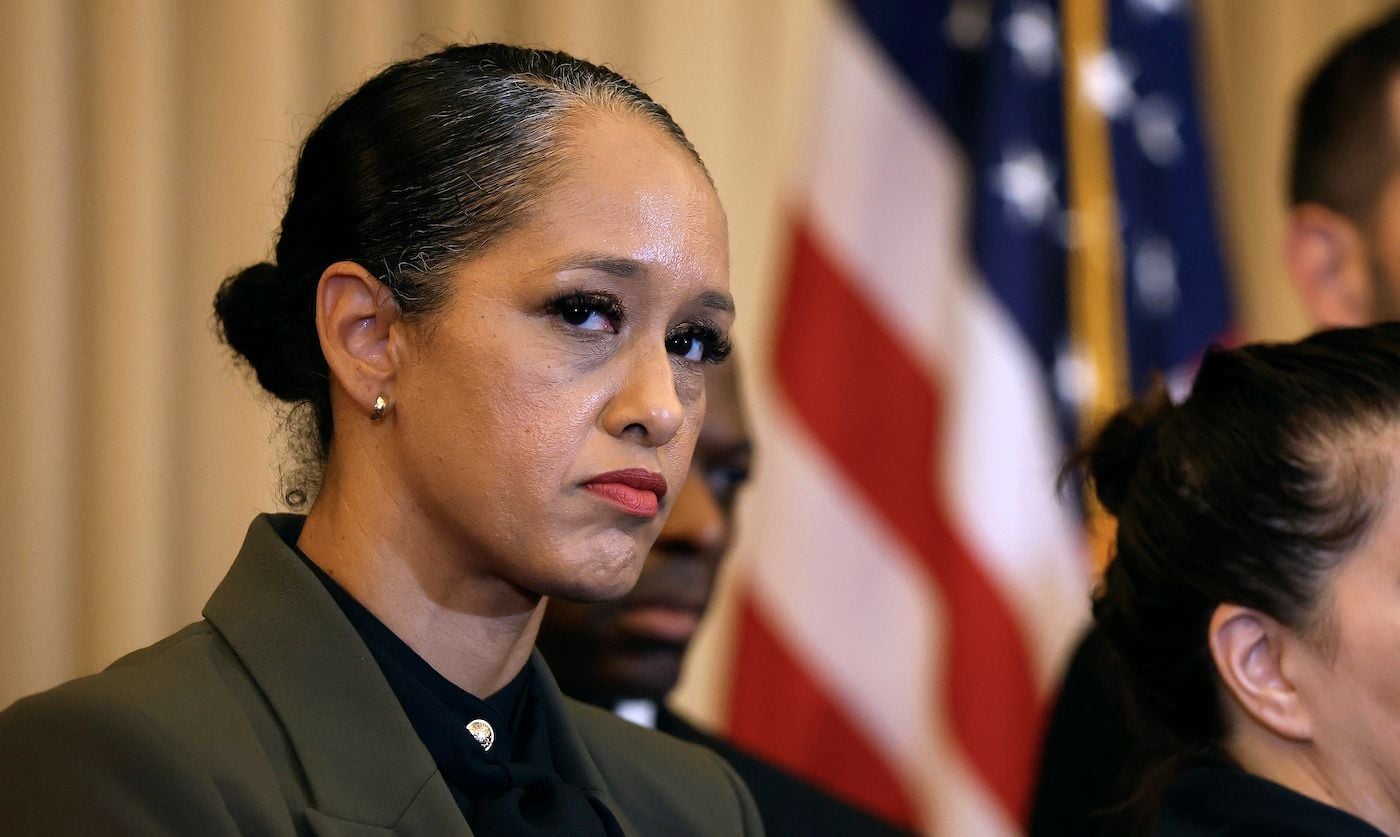
SF District Attorney Brooke Jenkins said the expansion of the court to allow “violent and dangerous offenders” has been “destructive to the program,” as fewer than half of the court participants successfully complete the program, per the Chronicle.
Proponents of the Drug Court spoke in its defense and called for more personnel in order to better meet the needs of its defendants.
“Drug court provides not just treatment, it provides a community,” said Anita Nabha, an attorney with the Public Defender’s office who oversees the court.
Supervisor Matt Dorsey, Chair of the Public Safety Committee who’s also in recovery for addiction, calls the Drug Court a valuable tool for recovery. He reportedly touched on the challenges of tracking the Drug Court’s recidivism rate, as multiple agencies are involved in the process.
Previously: Sup Dorsey’s Latest Crusade Is to Hold Hearings Into Whether SF Drug Court Is Getting Too Lenient
Image: San Francisco District Attorney Brooke Jenkins (Photo by Justin Sullivan/Getty Images)

Join the conversation
Comments
Comments load automatically as this section approaches.