San Francisco-based Lyft is being sued over a 2022 murder case in which a Lyft driver ferried a man carrying an axe to the home of his ex-girlfriend, and a judge has ruled that the case may move forward.
Lyft and its attorneys have been seeking to toss out a case in a Connecticut court in which the grieving family of a woman who was killed almost three years ago is suing over a driver's failure to act in what appeared to be a dangerous situation. But as Bay Area News Group reports, Lyft's motion to dismiss the case was denied last week, with a federal judge ruling that the driver, and by extension the company, may have a "duty of care" to have acted in the case.
The murder took place on the night of December 6, 2022. As the Stamford Advocate reports, then-42-year-old Ewen Dewitt called a Lyft, and got in the car allegedly appearing aggressive and carrying a "long brown axe." The driver made a stop, requested by Dewitt, at a liquor store, and then they proceeded on to the Milford, Connecticut home of 40-year-old Julie Minogue, where Dewitt proceeded to kill Minogue in front of her 3-year-old and 17-year-old sons.
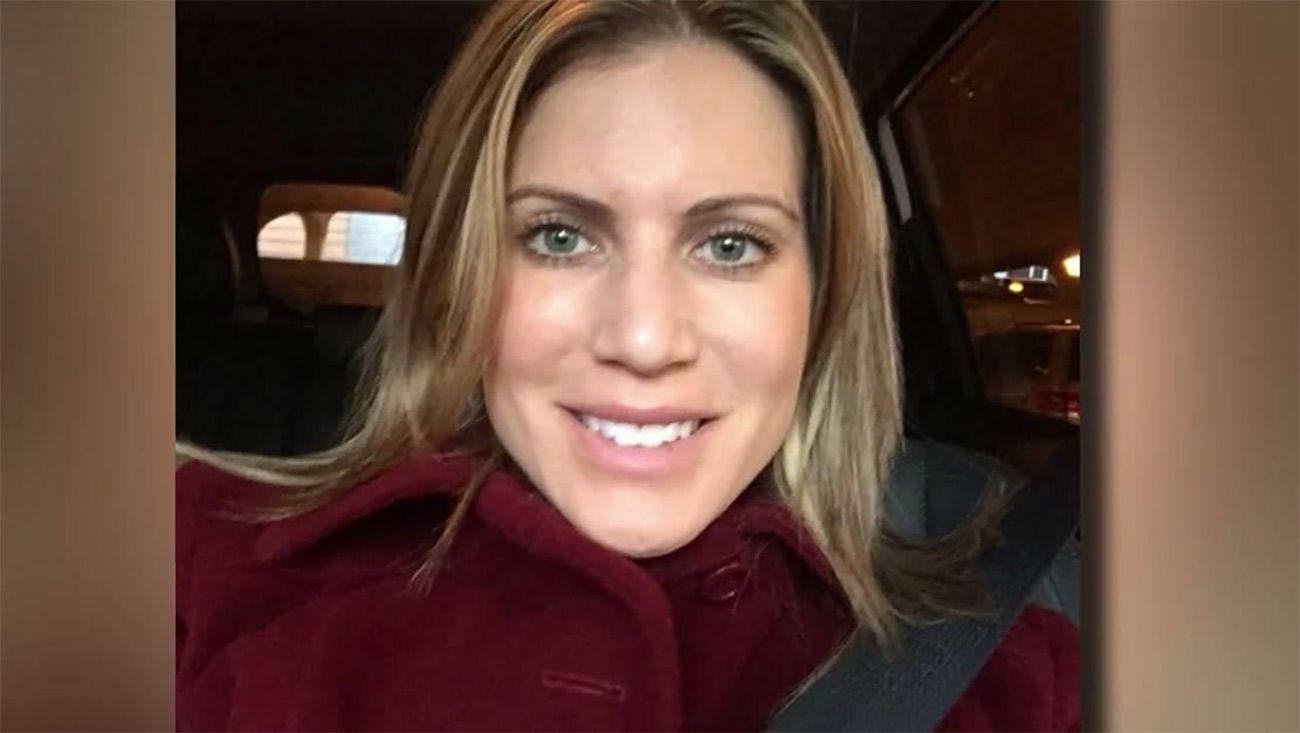
The 17-year-old ran upstairs and escaped out of a second-story window, and arriving police reported finding Dewitt sitting on the couch with the 3-year-old, who is his son. According to police the child was "in shock with a blank stare, not crying and not responding."
Dewitt pleaded guilty in March 2025 to the murder, accepting a sentence of 40 years. And he appears to still be fairly unhinged, going on an expletive-laden tirade during his sentencing and telling a prosecutor, "Rot in hell, you piece of shit."
Last week, US District Judge Victor A. Bolden issued a 10-page ruling allowing the suit, filed by Minogue's father on behalf of her three sons, to move forward.
"It is true that Lyft would likely have no duty of care and thus could not be negligent if a Lyft driver drove past a crime taking place and did not intervene, or even if a passenger displaying no unusual behavior happened to commit a crime after being dropped off," Judge Bolden wrote in the ruling. "But the circumstances in this case are different."
Bolden added that the driver's "own actions — e.g. taking Mr. Dewitt to a liquor store and bringing someone wielding a large ax to a residential neighborhood — increased the risk of intentional misconduct by a third party." And he ruled that the suit may proceed to the discovery stage.
The lawsuit contends that the Lyft driver "failed to call police or notify authorities despite having the means and opportunity to do so" and "failed to do anything to prevent the imminent attack."
Per court documents, the family argues that "'carrying a large ax to a suburban condo at night, while intoxicated and acting strangely’ is enough to indicate to a reasonable person that a crime was in progress, and that more than simply doing nothing, Lyft ‘through their assigned driver, furthered the progression of the crime by chauffeuring the murder[er] to his intended victim.'"
Lyft, in seeking to dismiss the suit, argued via precedent that "absent a special relationship of custody or control, there is no duty to protect a third person from the conduct of another."
Gerald Minogue, the victim's father, has also filed a negligence suit against the city of Milford and its police department, arguing that they failed to act sufficiently after Julie Minogue had taken out a full no-contact restraining order against Dewitt, after receiving some 200 harassing text messages from him over two days.
In her filing with police, Minogue reportedly wrote, "I am scared for the safety of my children and [myself]. Ewen has got himself into a lot of trouble with drugs and alcohol and I'm scared he's going to kill me."
The majority of wrongful death cases against Lyft have involved the murders of Lyft drivers, as in this 2022 case out of Dayton, Ohio. In another case out of St. Louis, an appeals court appeared sympathetic with plaintiffs over the shooting death of a young man who was carjacked by two teenagers who'd summoned him via the Lyft app. The plaintiffs, the driver's family, argue that Lyft bears responsibility for allowing a juvenile to open an account and use the app to commit a crime.

