
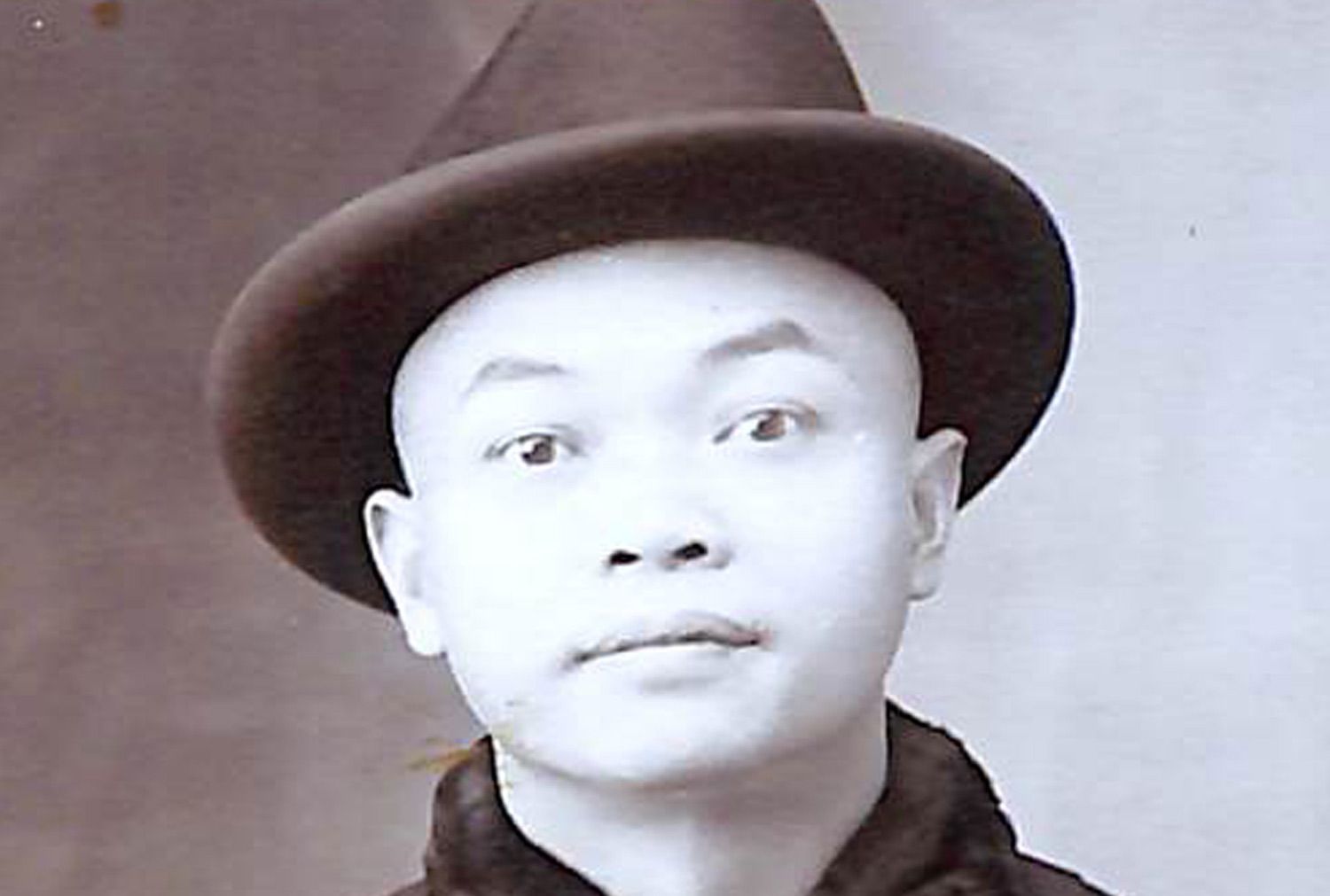
A Supreme Court precedent from over 100 years ago, in a case brought by a Chinese American man born in San Francisco, was cited multiple times in today's ruling by the court upholding birthright citizenship as guaranteed in the 14th Amendment.
The Supreme Court ruled Tuesday on its final cases of the term, handing a widely foreseen win to conservative culture warriors in a case pertaining to trans athletes in youth sports. But in a second ruling, the high court found that the Constitution does guarantee a right to birthright citizenship, contrary to the Trump administration's position that the wording of the 14th Amendment does not pertain to visitors or undocumented immigrants.
"Children born in the United States to parents unlawfully or temporarily present are 'subject to the jurisdiction' of the United States and are citizens at birth under the Fourteenth Amendment’s Citizenship Clause," writes Chief Justice John Roberts for the majority. The opinion cites English common law, in part, for the basis of the opinion, and Roberts goes on to write, "The Citizenship Clause’s key phrase—'subject to the jurisdiction' — refers to the power of the United States to govern those within its territory."
The Trump camp had tried to argue that, contrary to a century and a half of interpretation of the 14th Amendment, words like "subject to the jurisdiction" exempted those who have come here, legally or illegally, who remain bound in allegiance to their home countries.
There was also argument around the word "domicile," which harkens back to the court's decision in 1898 in the case of Wong Kim Ark, a young Chinese American man who was born to Chinese parents who were "domiciled" in San Francisco's Chinatown at the time. The Wong Kim Ark case also affirmed that jurisdiction question pertained to all people born in the US, with very few exceptions.
"In Wong Kim Ark, the Court held that the Fourteenth Amendment was 'declaratory' of the 'fundamental rule of citizenship by birth' that prevailed at common law... excluding only those recognized as exempt 'from the jurisdiction of this country' — the 'children of ambassadors' and those born in the nations of Indian tribes," Roberts writes for the majority.
Justice Amy Coney Barrett joined Roberts and the three liberal justices in the opinion, with Justice Ketanji Brown Jackson writing a separate concurring opinion — that she says is solely there to call out the legal and constitutional problems with the principal dissenting opinion, which was written by Justice Clarence Thomas.
"Despite his longstanding endorsement of a 'colorblind' Constitution, JUSTICE THOMAS now surprisingly suggests that the Citizenship Clause was a race-conscious remedial measure, relating only to 'freed slaves such as Dred Scott,' ... and those who shared with them certain characteristics," Jackson writes. "But that narrow vision of the Fourteenth Amendment bears little relationship to the history of its ratification."
Despite the fact that there has been a minor wave of so-called "birth tourism" in the US for years — and it has likely declined just because of global hostility toward Trump — Justice Samuel Alito, in a separate dissent called the majority opinion a "serious mistake" that will lead to hordes of birth tourists who will return immediately to their home countries. Alito calls this "one of the most important decisions in the history of the Court," and he seems to shrug off the plight of children born to undocumented immigrants whose status would be thrown into limbo had this decision gone the other way.
"Some members of this group have lived here for years, and they have a strong moral claim to be able to remain in the land where they grew up," Alito writes. "Congress can and should address their situation."
Celebrating the decision, the attorney who argued in favor of birthright citizenship, Cecillia Wang of the ACLU, said in a statement, "The court’s decision reaffirms a fundamental American promise — if you are born here, you are a citizen. A president cannot change the Constitution by executive fiat."
And Sandra Wong, one of the descendants of Wong Kim Ark, said in a statement to the New York Times, "You’re born here, you belong here... My great grandfather never set out to become a symbol. But he stood up for what was right and that made a difference."
Her brother, Norman Wong, added, "All Americans need to stand up for their rights. Our rights are not privileges, and we can’t let the government or anyone in it take them away."
President Trump issued an executive order as soon as he took office last year calling for an end to birthright citizenship. Trump's order would not have been retroactive for all those who already have US citizenship, however it would have created a slippery slope toward questioning their status as well — and it would have put in limbo anyone born here since Trump's order was issued.
Previously: Who Was the San Francisco Man Who Sued the US Government 131 Years Ago Over Birthright Citizenship?

Join the conversation
Comments
Comments load automatically as this section approaches.