SFist in the Kitchen: Pairing Wine and Food

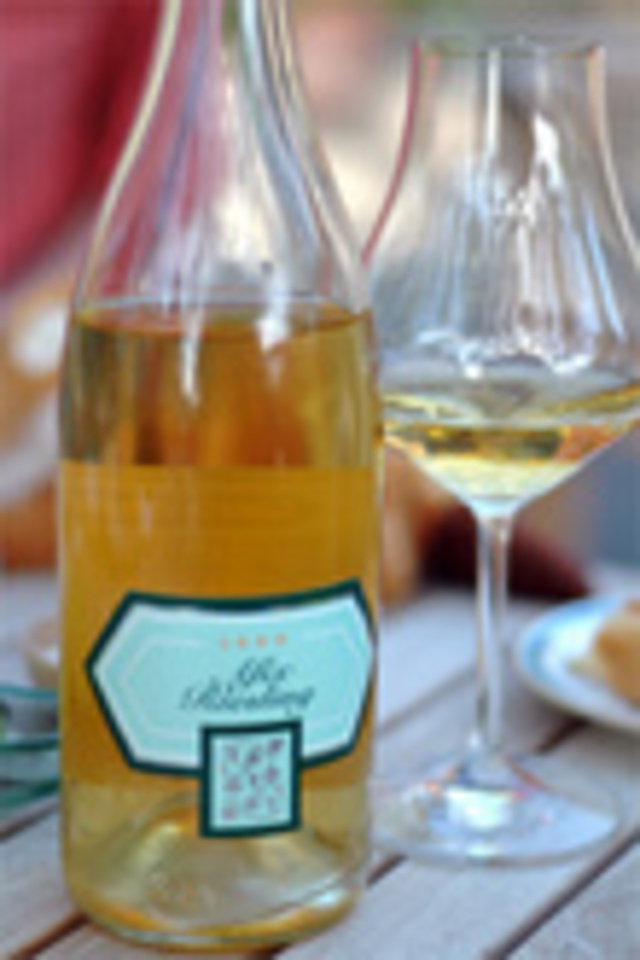
JermannRiesling.jpg
Here in the SFist test kitchen, we love putting food on the table. But we also love choosing a bottle of wine to go with that food. Unfortunately, most cooks don't have as much fun with the task, and this makes us sad. Shoppers fret too much about finding a "perfect" bottle. You're supposed to enjoy wine, not stress about it.

We thought we'd share some of our wine-pairing tricks to help you decide what to drink with your next meal. There's no great mystery. Use a couple guidelines to steer you one way or the other. Share your tips and techniques in the comments.

Do what you like
Most food goes with most wine reasonably well, so it's hard to go wrong. This isn't a test. No one's going to grade your choice, and if they do, you probably don't want to eat dinner with them in the first place. Pick a wine you like and start from there.

More after the jump

Photo by Melissa Schneider

Birds of a Feather
We like to pair wines with foods of a similar "weight." You know what weight means when you're talking about food: A steak is heavier than a chicken, which is heavier than soup. You judge a wine's weight by swishing it in your mouth and feeling the impression on your tongue. One of our former wine teachers describes it in terms of milk: is the wine like skim milk? whole milk? or cream?

If you haven't tasted the wine, you can make an educated guess. A red wine's tannins add a lot of body, as does a high alcohol level. This is why wine snobs use the term "cocktail wines" for big (high-alcohol), jammy California reds. Few dishes can stand up to that much weight, so you might as well drink them alongside martinis and cosmos.

Lees also contribute to a wine's body. These are the carcasses of yeast cells that die during fermentation. They sink to the bottom of the barrel, and if a wine maker leaves the wine "on the lees" or sur lie for a long period of time, they impart a creaminess to the finished product. Champagnes and similar sparklers often sit on the lees for a while.

Oak and a process called malolactic fermentation, which converts apple-tart malic acid to heavy lactic acid, can each contribute weight as well, though this is harder to guess when standing at the store. Most reds go through malolactic fermentation, as do many Chardonnays.

Here's a handy guide to weights with some common wines. These are approximate, depending on how the wine was made.
Whites, ascending by weight: Sauvignon Blanc, White Burgundy/Chablis, Riesling, Gewurztraminer, California Chardonnay
Reds, ascending by weight: Beaujolais, Red Burgundy, Oregon Pinot Noir, California Pinot Noir, Southern Rhône, Northern Rhône, Bordeaux, Cabernet Sauvignon, American or Australian Syrah/Shiraz, Zinfandel

Science Geek Stuff
Choose a wine that's more acidic than the food you're serving, or else the wine will seem thin. This is why it's hard to pair wines with salads dressed in a vinaigrette. For dessert wines, choose one that's sweeter than the dessert, or the wine will be too tart.

Acids cut through fatty foods and refresh the palate for the next bite of food. An acidic wine will work well with a wide range of dishes. A good rosé has high acidity and a bit of body (not the Sutter Home or Beringer blush wines, which tend to be too heavy, but a dry rosé)

Some high-acid wines: Sauvignon Blanc, German Riesling, Muscadet, Vouvray, Grüner Veltliner, Pinot Noir, Sangiovese.

Standbys
Certain wines are more food-friendly than others. Rieslings, Pinot Noir (including Burgundy), and Beaujolais (not Nouveau) are all great choices in a pinch. Want to impress your dinner companions? Open a bottle of sparkling wine with the meal. Food-friendly bubblies transform any meal into a special occasion. We're big advocates of sparkling wines at the dinner table. We like the Roederer Brut from Anderson Valley as a "house sparkler," since it's only $17 or so.

Classics
They've stood the test of time. Sauvignon Blanc and goat cheese with asparagus. Muscadet with oysters. Bordeaux or California Cabernet with a juicy steak. Sauternes and foie gras. There's no need to break the rules when they work so well.

Ask Someone
Find a good wine store and ask the staff for a recommendation based on what you're making. The staff is there to help you find a good wine. Alder Yarrow republished his Edible San Francisco piece about good wine stores in the City. In the East Bay, we like the staff at Paul Marcus Wines, Vintage Berkeley, and Kermit Lynch.

Enjoy your wine!

Email This Entry


Comments (1) [rss]

thank you derrick - you are the angel who will appear and save me from my wine pairing nightmares!

Post a comment (Comment Policy)

Tips

About SFist

SFist is a website about San Francisco.

Editor: Brock Keeling
Publisher: Gothamist

Contribute

Latest Tip:

Elihu Hernandez is running for Board of Supervisors in District 6 and he is having his campaign kick
[more]

Latest Photo:

Recent Comments

Subscribe

Use an RSS reader to stay up to date with the latest news and posts from SFist.

All Our RSS